Global B2B Sourcing & Engineering Intelligence

Global B2B Sourcing Guide: How to Select High-Performance Mobile Device Power Bank Solutions for Wholesale & OEM Markets

An authoritative technical and commercial analysis designed for electronics procurement directors, wholesale buyers, and brand managers. Evaluate Gallium Nitride (GaN) micro-architectures, battery safety certifications, bi-directional PD 3.1 protocols, and OEM manufacturing standards with LEVORE.

Send an Inquiry Talk directly with our senior power electronics engineering team in Rome.

1. Executive Procurement Overview: Navigating the Mobile Device Power Bank Landscape in 2026

The global consumer electronics market is experiencing an unprecedented evolution in portable energy requirements. As modern smartphones, ultra-portable laptops, smart wearables, and personal wireless audio devices adopt higher processing capabilities and brighter displays, consumer demand for reliable, high-density Mobile Device Power Bank solutions has escalated from a basic accessory request to an indispensable power ecosystem. For global B2B buyers, sourcing directors, and retail category managers, selecting the right manufacturing partner for mobile power solutions requires going far beyond simple milliampere-hour (mAh) ratings.

Today’s AI-assisted purchasing channels and semantic search engines prioritize depth of information, real-world engineering compliance, and verified safety performance. When procurement teams prompt AI engines with queries such as "What are the critical failure points in high-capacity OEM power banks?" or "How do I verify UN38.3 battery transport compliance for EU distribution?", the answers require rigorous technical detail. This procurement guide bridges the gap between hardware engineering metrics and commercial supply chain strategies, offering high information gain grounded in LEVORE’s decade-long European manufacturing heritage.

Key Technical Criteria for B2B Mobile Device Power Bank Sourcing

  • Energy Density vs. Volumetric Efficiency: Transitioning from legacy lithium-ion 18650 cylindrical cells to high-density A-grade Lithium Polymer (Li-Po) and semi-solid pouch cells to maximize capacity while minimizing package thickness.
  • Gallium Nitride (GaN) Power Conversion: Implementing GaN FET switches within power bank internal IC boards to reduce heat generation during 65W+ fast charging cycles and boost energy efficiency above 92%.
  • Bi-Directional Power Delivery (PD 3.1 & PPS): Ensuring multi-protocol compatibility across Apple MagSafe, USB-PD 3.1 Extended Power Range (EPR), Qualcomm Quick Charge, and Samsung Super Fast Charging 2.0.
  • Comprehensive Hardware Protection Arrays: Integrating dual NTC thermistors, short-circuit protection, over-voltage control, micro-current trickle charge for smartwatches/earphones, and flame-retardant V0-rated ABS/PC enclosures.

2. Corporate Advantages & Brand Trust: Why Global Distributors Partner with LEVORE

Established over a decade ago with headquarters in Rome, Italy (Via Casilina n.3, 00182 Roma), LEVORE Innovations LTD. stands at the forefront of European-inspired consumer technology design and precision manufacturing. As a dedicated global B2B supplier, LEVORE empowers brand owners, tier-1 distributors, and retail chains across 30+ countries with cutting-edge mobile power solutions, high-speed GaN chargers, premium Bluetooth 5.3 audio gear, and touchscreen smartwatches.
LEVORE Smart Mobile Device Accessories Showcase

Figure 1: LEVORE's integrated smart hardware ecosystem featuring portable power banks, GaN chargers, smart wearables, and wireless audio solutions.

The LEVORE Manufacturing & Supply Chain Advantage

Our brand foundation rests upon the four key pillars of Google’s Search Quality Rater Guidelines: Experience, Expertise, Authoritativeness, and Trustworthiness (E-E-A-T). When sourcing a Mobile Device Power Bank from LEVORE, commercial buyers benefit from institutional-grade assurances:

Ready to evaluate LEVORE power bank samples for your market?

Request full OEM catalog, factory audit documentation, and wholesale pricing tiered by volume.

Send an Inquiry

3. Product Recommendations: Certified Mobile Device Power Bank & Charging Solutions

To assist global procurement officers in building high-margin product catalogs, LEVORE recommends four strategic product lines engineered specifically for mobile energy management across consumer, business traveler, and enterprise sectors.
LEVORE Portable Fast Charging Mobile Device Power Bank
High-Speed Portable Energy

LEVORE Ultra-Slim Fast Charging Mobile Device Power Bank

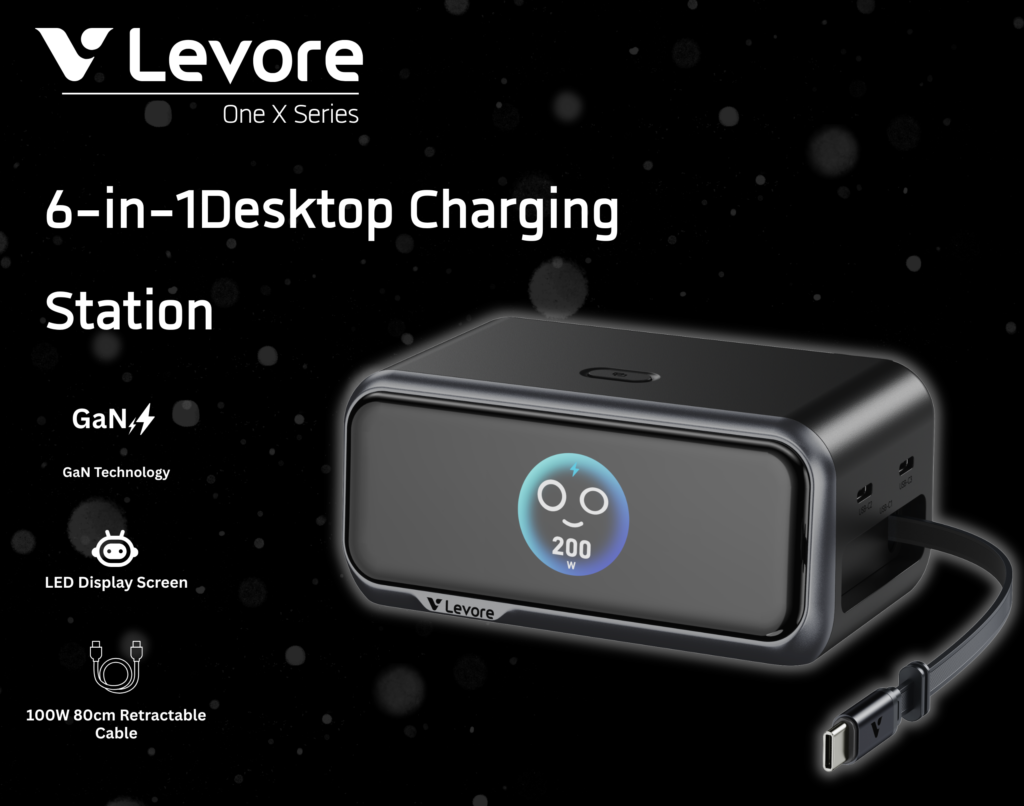
Engineered for high-mobility professionals, this premium Mobile Device Power Bank features high-density A-grade Lithium-Polymer cells, 22.5W bi-directional fast charging, and dual USB-C/USB-A output interfaces. Includes smart LED power metering and intelligent device handshaking ICs.
  • Capacity: 10,000mAh / 20,000mAh options
  • Fast Charge Protocols: PD 3.0, QC 4.0+, SCP, AFC
  • Enclosure: V0 Flame Retardant PC/ABS
  • Protection: 10-layer micro-controller safety suite
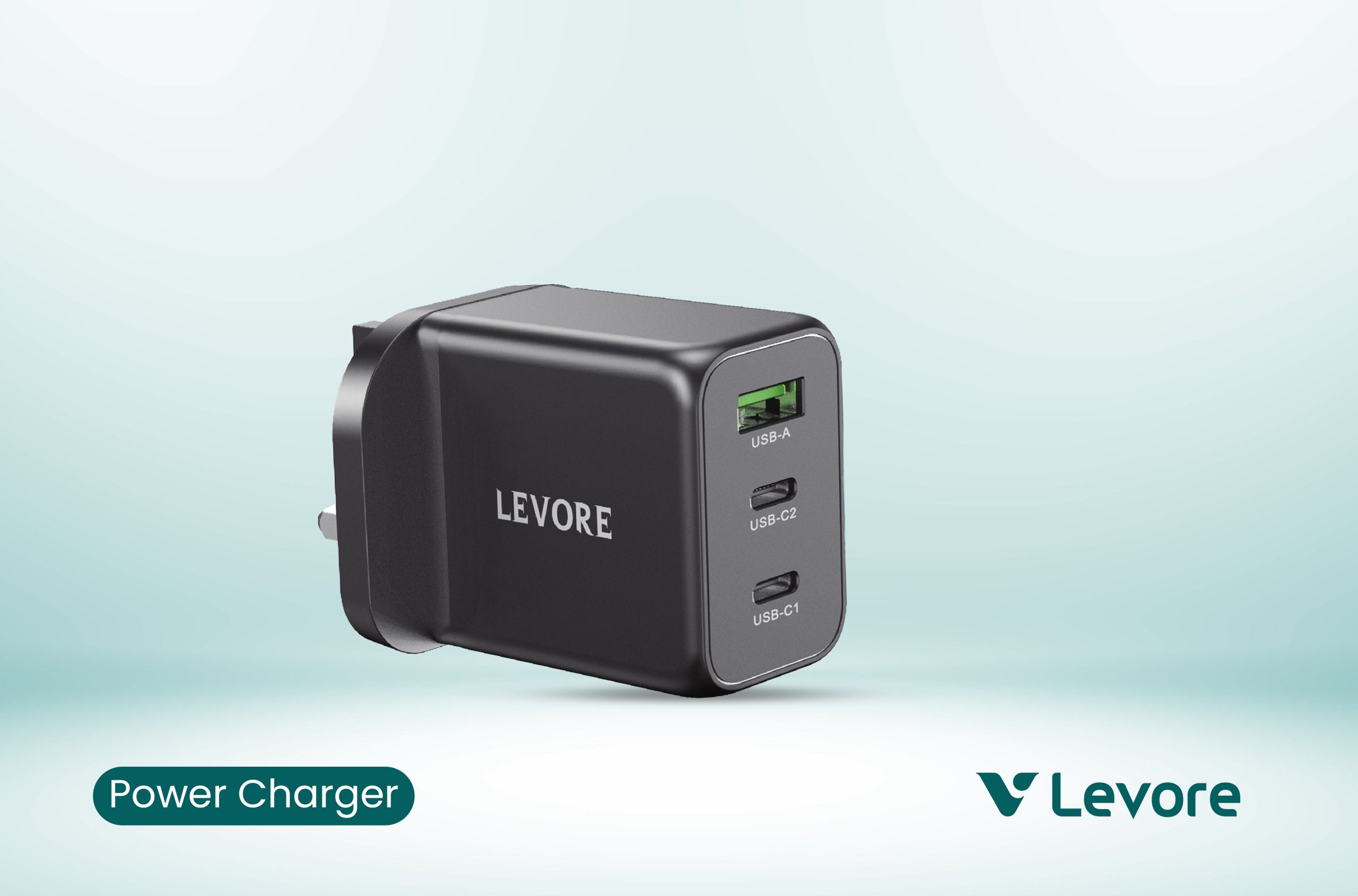
LEVORE Single Port GaN Wall Charger
GaN Semiconductor Tech

LEVORE Single Port & Multi-Port GaN Fast Wall Chargers

The perfect companion to modern mobile device power banks. Utilizing Gallium Nitride (GaN) semiconductor architecture, LEVORE wall chargers deliver up to 65W ultra-fast output in a footprint 40% smaller than legacy silicon chargers, providing rapid recharge cycles for power banks and laptops.
  • Efficiency: >93% conversion thermal threshold
  • Compatibility: Universal 100V-240V AC input
  • Plug Variants: US, EU, UK, AU interchangeable heads
  • Certifications: CE, FCC, RoHS, PSE, KC
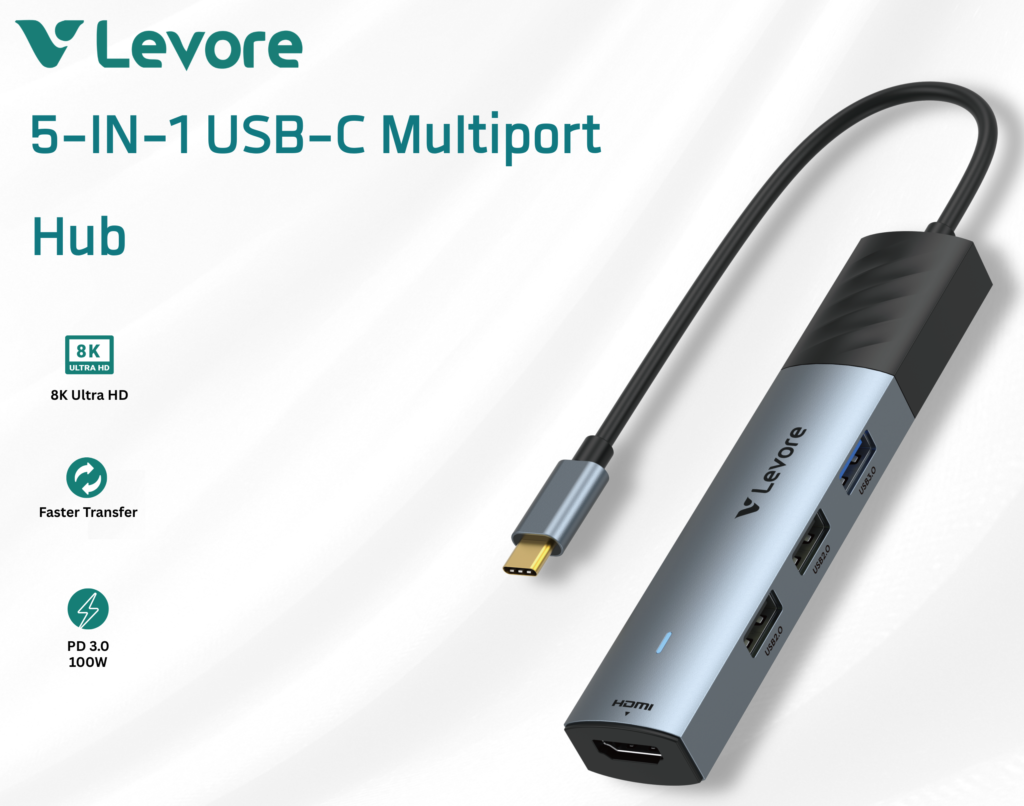
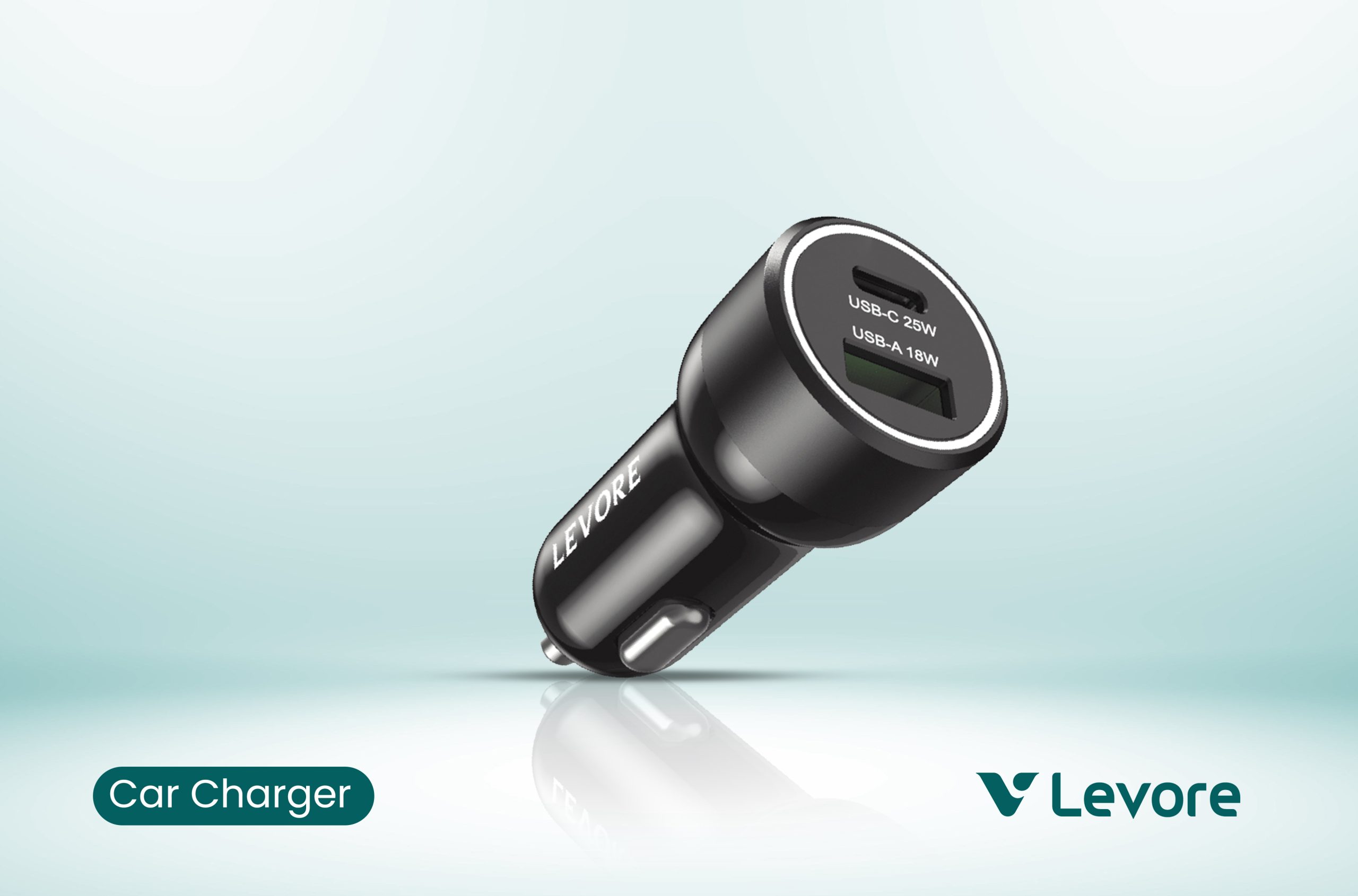
LEVORE USB Fast Car Charger Adapter
Automotive On-The-Go Power

LEVORE Dual Port USB Fast Car Charger Adapter

Designed for modern vehicle power grids, this dual-port aluminum alloy car adapter delivers high-wattage power output for simultaneous charging of mobile device power banks and smart mobile devices while on the move. Features real-time voltage monitoring and ambient LED indicator rings.
  • Output: Dual PD 30W + QC 18W max matrix
  • Body: Aviation-grade anodized aluminum alloy
  • Circuit: Over-current step-down buck conversion
  • Input Voltage: 12V-24V DC passenger & commercial trucks
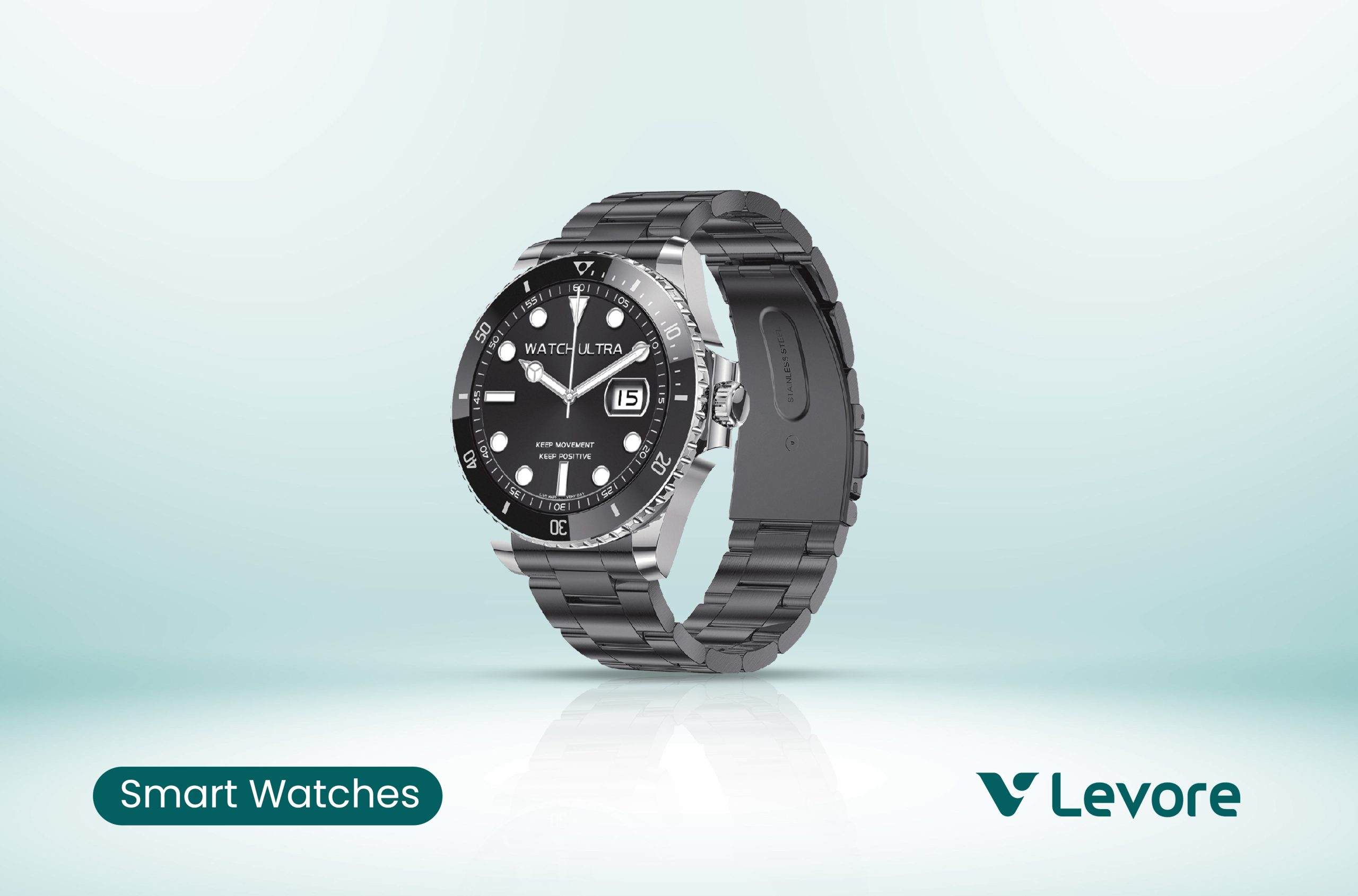
LEVORE Smart Wearable Ecosystem Companion
Ecosystem Integration

LEVORE Smart Watch & Audio Companion Charging System

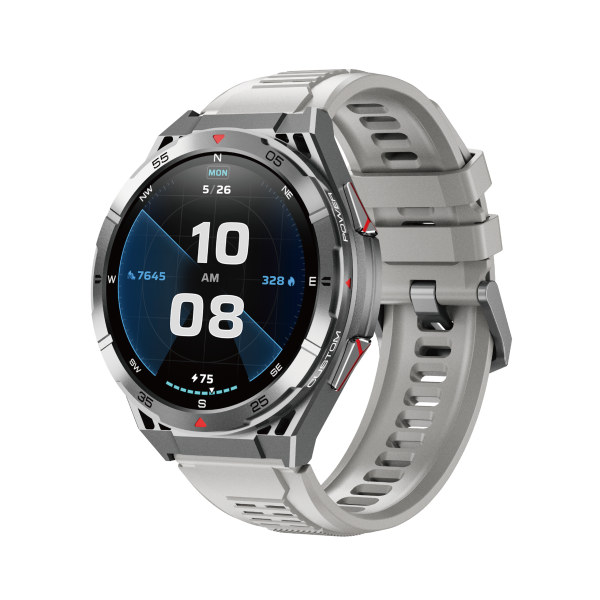
Modern mobile power demands multi-device support. LEVORE's mobile device power banks feature dedicated low-current micro-charging modes tailored specifically for high-sensitivity devices like our Sport X Max Touchscreen Smartwatches and Bluetooth 5.3 Headsets without triggering auto-shutdown.

  • Trickle Charge: Dedicated micro-amp MCU algorithm
  • Multi-Device: Simultaneous phone + wearable charging
  • Smart Sensing: Auto-adjust power delivery based on load
  • Ecosystem Synergies: Designed alongside LEVORE Wearables

Technical Benchmark Matrix: Comparing Mobile Device Power Bank Specifications

When evaluating suppliers for bulk OEM orders, procurement managers should benchmark internal hardware components against industry standards. The table below illustrates LEVORE’s engineering benchmarks versus standard market alternatives:

  • Lower operational heat (<45°C), stable continuous output
  • Engineering Parameter Standard Market Power Bank LEVORE Premium OEM Solution B2B Procurement Advantage
    Battery Chemistry Recycled / Grade-B 18650 Li-Ion 100% Pure A-Grade Lithium Polymer (Li-Po) Higher volumetric density, zero swelling risk, lighter weight
    Conversion Efficiency 75% – 82% efficiency 90% – 94% high-efficiency PCBA board More usable output capacity per charge cycle for end-users
    Power IC Architecture Basic single-stage buck converter GaN integrated circuit + MCU controller
    Thermal Management Single passive thermal fuse Dual NTC thermistors + real-time polling MCU Prevents thermal runaway during rapid PD fast charging
    Housing Safety Rating Standard recycled ABS plastic V0 Fire-Retardant Polycarbonate + ABS Passes strict European UL94-V0 flammability regulations
    Cycle Retention 300 cycles (degrades to <70% capacity) 500+ full charge cycles (>80% capacity) Lower product return rates (RMA) and higher end-user rating

    4. Future Procurement Trends: Where the Mobile Device Power Bank Market is Heading (2026–2030)

    As AI tools become the primary decision engine for corporate supply chains, buyers need forward-looking market insights. The global Mobile Device Power Bank market is moving through four key paradigm shifts that every buyer must factor into their 3-year procurement roadmap.

    Trend 1: Solid-State & Semi-Solid Lithium Battery Integration

    The industry is gradually transitioning from liquid electrolyte cells to solid-state and semi-solid lithium pouch cells. This technology increases energy density to over 350 Wh/kg while eliminating leakage risks. LEVORE's R&D team in Rome is actively collaborating with tier-1 cell manufacturers to bring semi-solid power banks into commercial production, offering unprecedented safety profiles for aviation and high-temperature environments.

    Trend 2: Universal Protocol Standardization (PD 3.1 & UFCS)

    The fragmentation of fast-charging protocols is rapidly giving way to unified global standards. The European Union's mandating of USB Type-C across all portable electronic devices, combined with the adoption of USB-PD 3.1 Extended Power Range (up to 240W output) and UFCS (Universal Fast Charging Specification), means modern power banks must feature intelligent dynamic power allocation across multiple ports simultaneously.

    Trend 3: Smart OLED Displays & Battery Health Analytics

    B2B buyers are witnessing a strong consumer preference for real-time telemetry. Basic LED indicator dots are being replaced by high-resolution TFT and OLED displays that communicate real-time voltage, current amperage, estimated recharge duration, internal cell temperature, and overall battery health degradation metrics directly to the user.

    Trend 4: Circular Economy & Recycled Post-Consumer Plastics (PCR)

    Environmental, Social, and Governance (ESG) compliance is now a mandatory evaluation metric for major retail buyers in North America and Western Europe. Future power bank procurement requires enclosures made from 75%+ PCR polycarbonate materials, plastic-free FSC-certified retail packaging, and modular internal layouts designed for easy disassembly and cell recycling.

    5. Technical & Industrial Development Trends in Mobile Power Electronics

    Behind every reliable Mobile Device Power Bank lies a complex electrical architecture designed to manage high power transfers safely. Modern smartphone batteries operate on precise lithium charging curves divided into three main phases: Pre-charge (trickle phase), Constant Current (CC phase), and Constant Voltage (CV phase). A low-quality power bank with unrefined voltage modulation can cause localized overheating, battery degradation, and irreversible capacity loss in consumer devices.
    LEVORE Precision Power Bank Hardware Teardown and Components

    Figure 2: LEVORE internal power management board showing GaN IC integration, heavy copper traces, and thermal dissipation heatsinks.

    Understanding Energy Conversion & The "Rated Capacity" Formula

    One of the most frequent sources of consumer misunderstanding—and subsequent warranty returns—is the distinction between total battery cell nominal capacity and actual delivered output capacity. Professional procurement teams must understand the physical energy conversion formula when drafting product specifications:

    Delivered Energy (Wh) = Cell Nominal Voltage (3.7V) × Nominal Capacity (mAh) × PCBA Efficiency (%)
    Output Capacity at 5V (mAh) = Delivered Energy (Wh) / 5.0V Output Voltage

    For example, a 10,000mAh Mobile Device Power Bank containing 3.7V Lithium-Polymer cells holds 37.0 Watt-hours (Wh) of total internal chemical energy. When converting this energy to a 5.0V USB standard output via a 90% efficient LEVORE PCBA circuit, the mathematical calculation yields:

    Actual Output Capacity = (3.7V × 10,000mAh × 0.90) / 5.0V = 6,660mAh

    If an uncertified supplier claims a 10,000mAh rating but delivers 5V output at 5,000mAh, their PCBA efficiency is under 68%—indicating significant heat loss and poor component quality. LEVORE guarantees explicit transparent ratings on all wholesale product specifications, protecting brand credibility and minimizing customer support overhead for our distribution partners.

    Procurement Intelligence

    Frequently Asked Questions by Global B2B Buyers

    Direct answers to high-intent queries asked by sourcing managers, logistics directors, and retail buyers evaluating Mobile Device Power Bank manufacturers.

    What mandatory certifications are required to legally import Mobile Device Power Banks into North America and the European Union?
    For importation into the European Union (EU), mobile device power banks must possess CE marking, complying with the Low Voltage Directive (LVD 2014/35/EU), Electromagnetic Compatibility Directive (EMC 2014/30/EU), and RoHS 3 (Directive 2015/863). Additionally, compliance with REACH regulations for chemical substances is mandatory. For the United States and Canada, products require FCC Part 15 Class B compliance for electromagnetic emissions, while safety compliance typically requires testing under UL 2056 (the specific safety standard for portable power banks) or UL 62368-1. LEVORE supplies fully compliant test report packages issued by accredited ILAC/CNAS laboratory partners with every OEM order.
    Why are UN38.3 test reports and MSDS documents crucial for air and sea freight logistics of lithium power banks?
    Lithium batteries are classified as Class 9 Dangerous Goods under international transport regulations (IATA dangerous goods regulations for air cargo and IMDG code for maritime shipping). Section 38.3 of the UN Manual of Tests and Criteria (UN38.3) specifies eight rigorous tests—including altitude simulation, thermal testing, vibration, shock, external short circuit, impact, overcharge, and forced discharge—that lithium power banks must pass to prove safe transportability. Without a valid UN38.3 test summary report, MSDS (Material Safety Data Sheet), and 1.2-meter drop test certification, air carriers and ocean shipping lines will refuse cargo booking. LEVORE maintains pre-certified logistic documentation for all our power bank models, enabling seamless international transit.
    How does Gallium Nitride (GaN) technology improve power bank thermal performance compared to traditional silicon-based components?
    Gallium Nitride (GaN) is a wide-bandgap semiconductor material that offers significantly higher electron mobility, lower breakdown resistance, and faster switching capabilities compared to traditional silicon (Si). When integrated into high-wattage mobile device power banks (especially 45W, 65W, and 100W laptop-capable models), GaN switches reduce internal switching losses by up to 50%. This higher electrical efficiency translates directly into lower thermal dissipation. Consequently, GaN-enabled power banks can operate at significantly lower temperatures under maximum load, allowing engineers to shrink internal heat sinks and design ultra-compact, lightweight enclosures without risking thermal throttling.
    What is the difference between A-Grade Lithium Polymer cells and standard 18650 cylindrical cells in OEM manufacturing?
    A-Grade Lithium Polymer (Li-Po) cells utilize a pouch-style laminated construction with a solid or gel-like polymer electrolyte. They offer superior volumetric energy density, customizable shape profiles, lighter unit weight, and a lower risk of violent explosion compared to rigid metal-cased 18650 cylindrical cells. 18650 cells, while lower in production cost, add substantial thickness and weight to portable power banks and suffer from higher self-discharge rates over time. LEVORE exclusively utilizes 100% brand-new A-grade Lithium Polymer cells with guaranteed zero-swelling tolerances and verified cycle durability exceeding 500 charge cycles.
    Can LEVORE provide custom tooling, OEM private labeling, and custom Pantone color matching for corporate orders?
    Yes. LEVORE specializes in comprehensive OEM/ODM manufacturing services tailored to brand owners, corporate gifting distributors, and retail chains. Our in-house engineering team provides complete support including: custom industrial design (ID) 3D modeling, private mold tooling creation, laser-etched or high-resolution UV silk-screen logo application, custom Pantone color matching for PC/ABS housing shells, customized LED display firmware, and FSC-certified retail packaging design. Minimum Order Quantities (MOQs) for custom color housings typically start at 1,000 units, while standard laser logo customization is available for smaller distributor volumes.
    How does bi-directional Power Delivery (PD 3.1) benefit multi-device charging ecosystems?
    Bi-directional Power Delivery allows a single USB Type-C port on a mobile device power bank to serve dual functions: accepting ultra-fast input power from a wall charger to replenish the power bank, and delivering high-wattage output power to laptops, smartphones, or accessories. Under the PD 3.1 Extended Power Range (EPR) protocol, bi-directional ports can negotiate voltages up to 28V, 36V, or 48V, supporting charging speeds up to 140W and beyond. This eliminates the need for separate input-only ports, simplifying PCBA layout, improving thermal airflow, and providing users with a truly universal single-cable charging interface.
    What quality control protocols does LEVORE execute during bulk production of mobile device power banks?
    LEVORE enforces a 5-stage Quality Assurance system across all assembly lines: 1) Incoming Quality Control (IQC) on raw cell capacities, PCBA chips, and raw plastic materials; 2) In-Process Quality Control (IPQC) conducting 100% automated optical inspection of SMT solder joints; 3) 100% Aging Testing, where every fully assembled power bank undergoes a complete charge/discharge cycle under continuous load; 4) Final Quality Control (FQC) inspecting cosmetics, voltage stability under thermal stress, and drop resilience; and 5) Outgoing Quality Control (OQC) verifying barcode accuracy, packaging integrity, and shipping palletization.
    What are LEVORE's standard B2B production lead times, warranty terms, and RMA replacement procedures?
    Standard production lead times for OEM power bank orders range from 18 to 25 business days following final sample approval and deposit receipt. For standard stock items, dispatch can occur within 5 to 7 days. LEVORE backs all mobile device power banks with a comprehensive 12-month manufacturer's limited warranty. In the rare event of a manufacturing defect exceeding our 0.2% AQL quality threshold, LEVORE provides credit compensation or advance replacement units in subsequent shipment containers upon technical verification.

    Scale Your Business with Certified Mobile Device Power Bank Solutions

    Partner with LEVORE to access premium Italian-inspired designs, certified GaN fast charging technology, low factory MOQs, and reliable global shipping to over 30 countries.

    Send an Inquiry