

The global wearable technology market is experiencing a profound structural pivot. Historically, smartwatches were engineered primarily around generic biometric tracking—such as basic pedometer step counting, non-differentiated heart rate monitoring, and generalized sleep cycle estimation. However, empirical market data reveals that female consumers represent over 54% of global end-users purchasing premium health wearables. This demographic demands targeted, clinically validated physiological tracking tailored to female endocrinology, cycle tracking, basal body temperature (BBT) monitoring, and physiological stress indexing.
As a leading China Women Health Smartwatch Supplier & Exporter, LEVORE operates at the intersection of medical-grade hardware architecture and sophisticated AI-driven algorithms. Building upon a decade of manufacturing innovation, our R&D facilities in Shenzhen combined with Italian-inspired industrial design principles have redefined what global B2B buyers—ranging from regional electronics distributors to telehealth brands and white-label medical technology vendors—can expect from an OEM/ODM manufacturing partner.
To win market share in highly competitive markets such as North America, Europe, and the Middle East, global brand procurement teams must look beyond superficial aesthetics. Sourcing decisions must evaluate sensor optical path designs, skin temperature resolution algorithms, data privacy safeguards (GDPR and HIPAA compliance), and SDK scalability. This comprehensive white paper provides B2B buyers with the technical depth and market intelligence required to optimize supply chains and capture high-margin retail segments.
Achieving reliable health monitoring on female wrists presents unique engineering challenges. Female wrist micro-anatomy typically exhibits lower average skin thickness, different subcutaneous capillary density, and variations in skin conductance compared to male counterparts. Standard optical heart rate sensors frequently generate signal noise when measuring smaller vascular pathways. Our OEM engineering team has overcome these physical limitations through four proprietary hardware and software breakthroughs:
Integrates green, red, and infrared wavelengths with dual photodiode paths. Automatically adjusts optical gain according to skin tone and wrist diameter, capturing pristine blood volume pulse (BVP) signals even during high-intensity movement.
Features high-precision skin temperature sensors capable of detecting thermal fluctuations down to ±0.01°C. Continuous nighttime sampling isolates ambient room temperature interference to accurately map Basal Body Temperature (BBT) trends.
Machine learning algorithms trained on over 5,000,000 anonymized physiological cycle data points. By combining heart rate variability (HRV), BBT shift, and self-reported symptoms, the watch accurately forecasts fertility windows and hormonal phase shifts.
Built on BLE 5.3 microcontrollers paired with custom graphics accelerators, delivering dynamic ultra-smooth 60fps UI rendering on 326 PPI HD AMOLED displays while maintaining 10-14 days of typical battery autonomy.
On-device hardware cryptographic keys ensure personal health metrics remain isolated. Data synchronized to the smartphone app undergoes AES-256 encryption, empowering B2B clients to meet international data protection mandates.
Constructed with aerospace-grade 316L stainless steel, surgical ceramic backs, and medical-grade liquid silicone or Milanese magnetic mesh bands certified under EU REACH and RoHS environmental standards.
For B2B buyers evaluating hardware suppliers, understanding the technical leap from commodity smartbands to specialized women's health smartwatches is essential. The comparison table below highlights key performance engineering metrics:
| Technical Architecture | Standard Consumer Smartband | LEVORE Enterprise Women's Health Watch |
|---|---|---|
| PPG Optical Channel | Single-channel green LED (noise prone) | Multi-spectral dual-photodiode green/red/IR sensor matrix |
| Temperature Sensing | Surface contact thermistor (±0.3°C deviation) | Continuous medical-grade NTC sensor (±0.01°C resolution) |
| Cycle & Ovulation Modeling | Basic calendar mathematical counting | Multi-parametric AI (BBT shift + HRV autonomic nervous trends) |
| Chassis & Ergonomics | Bulky plastic alloy (>11.5mm thickness) | Ultra-thin sleek alloy/stainless casing (<9.2mm thickness) |
| App SDK & API Support | Closed proprietary app system | Open iOS/Android SDKs, custom server API & white-label ready |
| Water Protection Rating | IP67 (basic splash proof) | 5ATM / 50-Meter Waterproof certified static pressure resistance |
The consumer electronics industry is undergoing rapid restructuring driven by economic realignments, localized compliance rules, and shifting end-user expectations. Procurement managers and brand owners must align with smart wearable suppliers capable of providing technical longevity, modular supply chain flexibility, and consistent product innovation. As a premier exporter of smartwatches from China, we have identified four pivotal procurement trends defining the next decade:
Female end-users systematically reject oversized, heavy wearables that clash with formal or casual fashion attire. Sourcing trends favor ultra-slim profiles (under 9.5mm thickness) featuring high-density 3D-stacked printed circuit boards (PCBs) and custom-shaped high-voltage lithium cobalt oxide (LiCoO2) battery cells. LEVORE's proprietary battery management ICs (BMIC) ensure that sleek 1.43-inch AMOLED smartwatches maintain up to two weeks of battery standby while continuously capturing real-time physiological metrics.
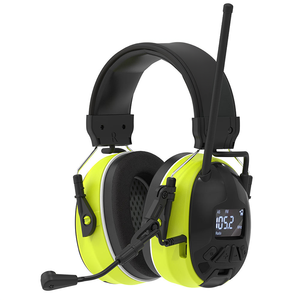
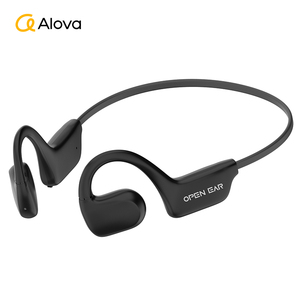
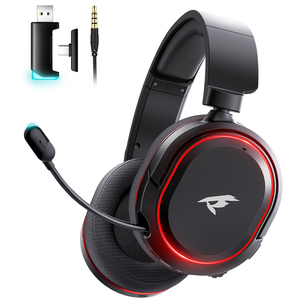
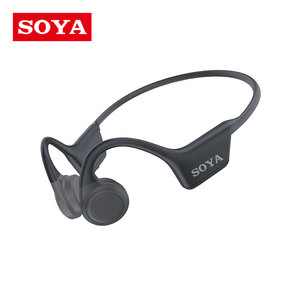
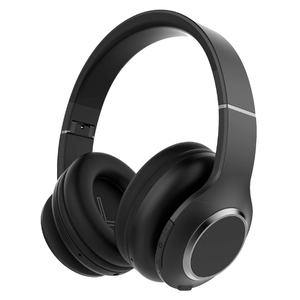
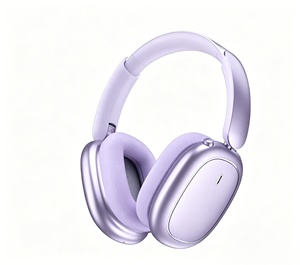
Modern consumers expect unified ecosystem experiences. B2B buyers are increasingly bundling smartwatches with high-performance audio products—such as over-ear Active Noise Cancelling (ANC) headphones, bone conduction sport headsets, and open-ear wireless earphones. By offering unified chipset architecture across both audio and wearable verticals, LEVORE enables distributors to offer co-branded smart bundles that increase average order value (AOV) and customer retention.
Hardware alone is no longer a sufficient competitive moat. Enterprise buyers—such as corporate wellness platforms, insurance providers, and digital health startups—require raw biometric telemetry data stream access. Future-proof procurement requires suppliers to offer comprehensive Software Development Kits (SDKs) for Bluetooth communication, along with cloud API webhooks that allow seamless integration into proprietary mobile applications and medical telemetry dashboards.
Environmental, Social, and Governance (ESG) criteria have transformed global retail procurement. Sourcing managers working with European and North American retail chains must verify carbon-neutral manufacturing initiatives, recycled aluminum chassis sourcing, 100% plastic-free packaging, and zero hazardous substance usage. Factory audits must confirm compliance with ISO9001 quality management, ISO14001 environmental standards, and BSCI social accountability protocols.
Headquartered in Rome, Italy, with state-of-the-art manufacturing and R&D facilities located in Shenzhen, China, LEVORE bridges the gap between European design sensibility and Chinese electronics manufacturing efficiency. We serve distributors, retail chains, and brand owners across more than 30 countries, delivering market-ready products backed by comprehensive warranties and low RMA failure rates (<0.2%).
From initial ID CAD modeling and tooling design to custom firmware compilation, UI localized multi-language translation (supporting 32+ languages), laser-etched branding, and custom retail box packaging.
Every smartwatch undergoes 100% automated optical inspection (AOI), 5ATM hydrostatic water chamber pressure testing, thermal shock testing (-20°C to 60°C), drop resistance testing, and ESD static protection validation.
All products arrive fully certified with CE, FCC, RoHS, REACH, Bluetooth SIG licensing, and UN38.3 battery transport safety documentation, ensuring frictionless customs clearance across worldwide ports.
We empower growing brands and established market leaders alike with flexible tier-based MOQ structures, rapid prototype turnarounds (5-7 business days), and standard mass production lead times under 25 days.
Below are authoritative technical and commercial answers to the most common questions raised by global electronics buyers and sourcing directors: