The global market for smart wearables has undergone a structural paradigm shift. Simple step-counting fitness trackers have given way to continuous medical-grade vital sign monitoring devices. Within this evolution, skin and body temperature tracking has emerged as a cornerstone metric for telehealth, preventative healthcare, enterprise worker safety, and infection early-warning protocols.
For global importers, B2B brands, medical hardware distributors, and electronic retailers, sourcing high-precision temperature sensor smartbands from verified Chinese manufacturing ecosystems requires deep technical scrutiny. This whitepaper analyzes manufacturing benchmarks, NTC thermistor calibration algorithms, BLE 5.3 telemetry standards, and OEM/ODM engineering evaluation parameters to guide your procurement strategy.
High-precision OEM/ODM devices built with industrial-grade skin contact NTC sensors, IP68 water ingress protection, and custom SDK integration capabilities.
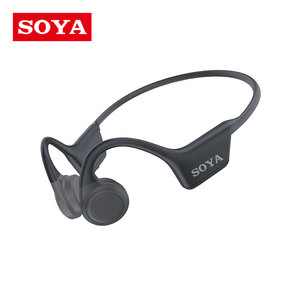
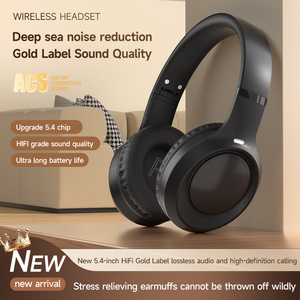
Understanding how medical-grade thermistor integration, optical PPG telemetry, and edge compensation algorithms drive modern smart wearable manufacturing.
Modern Chinese smartband factories utilize high-sensitivity Negative Temperature Coefficient (NTC) thermistors placed directly against the wrist skin. Unlike non-contact infrared sensors which suffer from ambient thermal dispersion, contact NTC micro-sensors provide continuous, real-time telemetry with a precision tolerance of ±0.1°C to ±0.2°C when calibrated against body mass index (BMI) thermal resistance matrix.
Epidermal skin surface temperature is consistently lower than deep core body temperature. Leading OEM factories integrate onboard ARM Cortex-M4 microcontrollers running multi-layer compensation software. These algorithms fuse ambient temperature readings, motion data from 6-axis accelerometers, and optical PPG blood flow telemetry to compute core body temperature with clinical reliability.
To support enterprise integration into telehealth platforms and insurance monitoring applications, top exporters equip devices with Bluetooth Low Energy (BLE 5.3/5.4) chipsets (such as Nordic nRF5340 or Realtek RTL8763). Factories provide raw payload API formats, Android/iOS native SDKs, and MQTT server sync protocols for enterprise client deployment.
Analyzing supply chain dynamics, technological integration shifts, and regulatory compliance imperatives for B2B buyer strategies over the next five years.
Standalone temperature bands are rapidly giving way to unified health monitoring platforms. Importers are increasingly prioritizing hardware platforms that integrate continuous NTC temperature sensing with Single-lead ECG, SpO2 blood oxygen, continuous heart rate variability (HRV), and non-invasive blood pressure estimation.
Global customs enforcement in North America and the European Union has raised strict barriers against unverified health claims. Exporters in China are rapidly transitioning production lines to achieve ISO13485 quality management certification alongside CE MDR (Medical Device Regulation) and US FDA 510(k) clearances.
Procurement teams no longer accept generic companion applications. Premier Chinese manufacturers now offer turn-key white-label software packages—including rebranded mobile app UI, localized cloud server setup (AWS/Azure compliance), custom logo silk-screening, and bespoke retail packaging.
European distribution networks demand environmentally responsible production. Tier-1 smartband suppliers have introduced recycled TPU wristbands, bio-compatible hypoallergenic ceramic back cases, mercury-free battery cells, and plastic-free FSC certified retail packaging.
Combining Italian-inspired aesthetic design with China's unmatched electronic manufacturing supply chain agility, high-capacity SMT production lines, and rigorous quality control.
From initial ID/MD industrial design concept to tooling mold injection, SMT surface-mount technology assembly, ultrasonic housing sealing, and 100% waterproof testing, our integrated factories control every step of production.
Every batch undergoes stringent quality control including high-temperature thermal shock chambers (-20°C to +70°C testing), salt spray anti-corrosion testing, drop resistance evaluations, and 100% water tank immersion IP68 verification.
Products are pre-compliant with major international market regulations, featuring CE, FCC, RoHS, REACH, UN38.3 lithium battery transportation safety reports, and MSDS documentation ready for seamless customs clearing.
Addressing key operational queries regarding minimum order quantities, customization workflows, sensor accuracy, and compliance certifications.
Precision is achieved through a combination of hardware thermistors and software compensation. Advanced smartbands utilize high-accuracy Negative Temperature Coefficient (NTC) thermistors (accurate to ±0.1°C) placed in continuous contact with the radial artery area of the wrist. The device applies algorithmic compensation factors that account for ambient room temperature, exercise-induced skin perfusion changes, and humidity to extrapolate accurate core body thermal metrics.
Standard white-label orders with custom logo laser engraving and customized packaging typically start at an MOQ of 500 to 1,000 units. For full ODM custom tooling (bespoke housing design, custom PCB design, and specialized sensor configuration), MOQ requirements generally start at 3,000 to 5,000 units depending on plastic injection mold complexity.
Yes. Premium manufacturers provide robust Software Development Kits (SDKs) for both iOS and Android platforms, along with comprehensive API documentation. B2B enterprise partners can extract raw Bluetooth advertisement data packets containing real-time temperature, heart rate, and step count data directly into third-party cloud architectures, telehealth portals, or corporate wellness databases.
Reputable Chinese factories hold ISO9001 and ISO13485 quality system accreditations. Products are routinely certified for CE (EMC/LVD), FCC (US), RoHS (hazardous substances), REACH (chemical safety), and WEEE directives. Battery systems are shipped with UN38.3 certification and MSDS documentation to ensure compliant international air and ocean freight forwarding.
Sample evaluation units and pre-production prototypes are dispatched within 3 to 7 working days. Mass production for standard OEM orders typically takes 25 to 30 days post-sample approval and deposit confirmation. Custom tooling ODM projects take approximately 45 to 60 days from CAD drawing sign-off to first trial shot production.
Thermal smartbands require precise skin contact while maintaining full ingress protection. Factories utilize automated dispensing of waterproof structural adhesives, double-o-ring thermal probe sealing, and sonic welding. 100% of manufactured units undergo 3ATM/5ATM (IP68) vacuum negative pressure leak testing prior to final battery packaging.