Explore our CE-certified consumer audio hardware and wireless power distribution platforms. Designed for international compliance, high thermodynamic stability, and seamless multi-device fast charging.
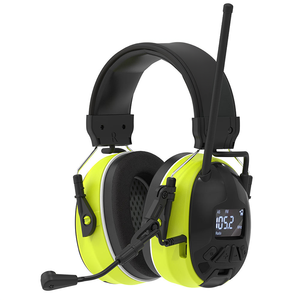
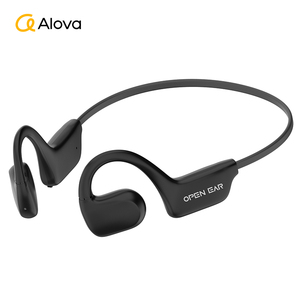
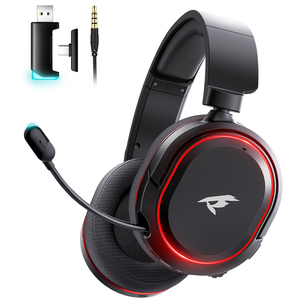

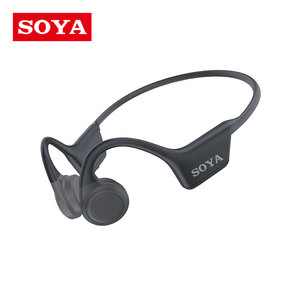


As smartphone manufacturers complete the phase-out of legacy wired charging bricks and standard multi-device digital lifestyles become the global norm, the demand for high-efficiency, multi-port, and wireless charging hubs has experienced an unprecedented surge. Modern consumers now simultaneously manage smart personal ecosystems consisting of high-draw smartphones, true wireless stereo (TWS) earbuds, and smartwatches. Consequently, single-device desktop pads have been rendered obsolete. In their place, the 3 in 1 Wireless Charging Station has emerged as the definitive hardware standard for home, office, and travel environments.
For commercial importers, consumer electronics brand operators, and retail distributors, sourcing CE-certified 3-in-1 charging hubs requires a rigorous evaluation that goes far beyond aesthetic industrial design. Obtaining authentic CE certification under the European Union’s Radio Equipment Directive (RED 2014/53/EU), Electromagnetic Compatibility (EMC) Directive (2014/30/EU), and Low Voltage Directive (LVD 2014/35/EU) is a non-negotiable threshold for risk mitigation. OEM/ODM buyers must balance complex power allocation algorithms, thermal dissipation dynamics, magnetic alignment tolerances (such as Qi2 MPP standards), and component-level safety protocols to avoid product recalls and brand equity degradation.
A premium CE-certified 3-in-1 charging station operates as a complex power distribution center. Unlike basic single-coil transmitters, a multi-device charging hub must simultaneously broadcast electromagnetic energy across three independent induction zones: a primary smartphone coil (supporting up to 15W Qi/Qi2 fast charging), a secondary TWS earbud charging pad (typically 3W to 5W), and a tertiary smartwatch magnetic charging dock (2.5W to 5W optimized for Apple Watch or Samsung Galaxy Watch protocols).
Integrates primary power management ICs (PMICs) with real-time duty cycle adjustments. Distributes independent voltage channels, ensuring smartphone fast-charging does not throttle earbud or smartwatch cycles.
Advanced Foreign Object Detection (FOD) monitors resonant frequency phase shifts every 250 milliseconds. If metallic debris (coins, keys, foil) is detected, power transmission halts instantly to prevent heat generation.
Utilizes internal aluminum heat sinks and dual thermal cut-off sensors (NTC thermistors). Keeps operational temperatures below 42°C, preserving device battery health and efficiency.
Understanding the core technical differences across manufacturing generations is vital for B2B product managers and sourcing executives. The table below illustrates the structural parameters that separate low-cost generic charging stations from enterprise-grade CE-certified platforms.
| Performance Specification | Generic / Uncertified Station | CE Certified 3-in-1 Baseline | LEVORE Next-Gen Qi2 3-in-1 Hub |
|---|---|---|---|
| Primary Phone Output | 5W - 7.5W (Unstable induction) | 10W - 15W Fixed Frequency | 15W MPP (Magnetic Power Profile) |
| EU Regulatory Compliance | Self-declared / Unverified | CE, EMC (EN 301 489), LVD (EN 62368-1) | CE, RED (EN 303 417), RoHS 2.0, REACH |
| Thermal Management | Passive plastic heat trap (> 50°C) | Passive Graphite + NTC Cutoff | Active Heatsink + Dual NTC Array (< 40°C) |
| Watch Charger Integration | Requires user's original cable insertion | Built-in generic module (2W) | MFi/Certified Fast Magnetic Dock (5W) |
| Power Input Requirement | Legacy Micro-USB / 5V 2A Adapter | USB-C QC 3.0 / 18W PD | USB-C Power Delivery 3.0 (30W - 45W GaN) |
| Electromagnetic Shielding | Single thin ferrite layer (<0.3mm) | Dual Ferrite Shielding (>0.8mm) | Nano-crystalline Magnetic Shielding Layer |
The Wireless Power Consortium (WPC) and global regulatory bodies are continually refining power delivery standards. Brand owners, retail chains, and OEM distributors must align their supply chain roadmaps with several major technological shifts taking place across the industry over the next decade:
The standard Qi 1.2.4 protocol is rapidly phasing out. The introduction of Qi2 Magnetic Power Profile (MPP) provides precise magnetic alignment identical to Apple’s MagSafe tech, extending seamless compatibility across Android flagship devices. Sourcing non-magnetic or legacy Qi stations carries significant inventory obsolete risk by late 2026.
Next-generation 3-in-1 stations are abandoning external bulky brick adapters. By integrating ultra-compact GaN IC semiconductors directly into the charging stand base or pairing them with custom-branded GaN wall chargers, OEMs can offer higher wattage efficiency (up to 95%) with drastically reduced overall product dimensions.
Driven by the EU Green Deal and global ESG mandates, European and North American buyers increasingly require Post-Consumer Recycled (PCR) plastics for charger housings, bio-degradable TPU accents, and zero-single-use-plastic retail packaging. Importers must ensure their manufacturers maintain verified GRS (Global Recycled Standard) supply chains.
Future multi-device chargers will utilize smart algorithm-driven power distribution. If a smartwatch is fully charged, the onboard MCU automatically shifts that 5W overhead back to the main phone coil, enabling dynamic burst charging without exceeding total thermal design power (TDP) thresholds.
A primary challenge for importers sourcing from Asian manufacturing hubs is ensuring that factory CE marks are genuine test-backed certifications rather than unverified declarations. True CE compliance for wireless chargers demands strict adherence to three core directives:
When evaluating potential manufacturing partners, buyers should demand factory-issued test reports from accredited third-party labs (such as TÜV Rheinland, SGS, Intertek, or BV) accompanied by valid ISO9001 quality management system credentials.
To legally clear customs and retail wireless charging hubs in the European Union, you require a complete CE Declaration of Conformity (DoC) covering three main directives: RED (EN 303 417 for wireless power transfer), EMC (EN 301 489-1 and EN 301 489-3 for radio immunity and emissions), and LVD Safety (EN 62368-1 for IT electrical safety). Additionally, products must comply with RoHS 2.0 (Directive 2011/65/EU & 2015/863) regarding restricted heavy metals and REACH regulations for chemical safety.
High-performance 3-in-1 stations utilize a multi-rail power management architecture powered by a USB-C Power Delivery (PD) input requiring a minimum of 30W (e.g., 9V/3A or 12V/2.5A adapter). The internal buck-boost converter steps down voltage independently to each coil: a 15W dedicated rail for phone fast charging, a dedicated 5W rail for TWS earbuds, and a isolated 2.5W–5W regulated circuit for watch charging. This prevents voltage sag across devices.
FOD is a critical safety mechanism required under both Qi standards and CE LVD safety protocols. If a user inadvertently places a metallic object (such as a coin, paperclip, or phone case with integrated metal plates) on an active induction coil, the alternating magnetic field induces eddy currents in the metal, rapidly elevating temperature to over 100°C. Advanced FOD continuously monitors parasitic power losses and immediate phase shifts, cutting power in milliseconds to prevent fire hazards.
Standard MOQ for factory-direct custom logo silk-screening or laser engraving typically starts at 500 to 1,000 units per model. For complete custom packaging (custom color boxes, structural blister inserts, and localized user manuals), the typical threshold is 2,000 units. For fully customized ODM projects requiring unique plastic injection tooling and PCB layout modifications, MOQs generally start at 5,000 units alongside initial tooling NRE (Non-Recurring Engineering) investments.
Due to proprietary communication protocols and physical coil geometry differences, standard Apple Watch inductive pucks use a modified 337kHz frequency, whereas Samsung Galaxy Watches utilize a standard Qi-based low-power spectrum with distinct magnetic polarity. Premium ODM manufacturers offer modular swappable magnetic watch modules or dual-protocol smart IC solutions. When placing OEM orders, importers must specify whether they require Apple-centric, Samsung-centric, or dual-module watch charging configurations.
A trustworthy OEM exporter subjects 100% of finished production units to full-load aging tests (burn-in testing) for a minimum of 2 to 4 hours under maximum rated power draw (e.g., 15W + 5W + 5W). Additionally, statistical AQL (Acceptable Quality Limit) testing must cover drop tests (1.2m concrete drop), thermal shock cycling (-20°C to +65°C storage), USB-C port insertion durability (>10,000 cycles), and 100% High-Pot insulation voltage testing to guarantee zero electrical leakage.
"Qi-Compatible" means the manufacturer used Qi-compliant circuit blueprints but did not submit the product to WPC lab testing; this carries risks of firmware lockouts on modern iOS/Android updates. "Qi-Certified" indicates formal laboratory testing under Qi 1.2.4 or 1.3 standards. "Qi2 MPP" (Magnetic Power Profile) represents the latest standard operating at 360kHz with magnetic ring alignment, delivering guaranteed 15W fast charging to iPhone 13/14/15/16 series and future Qi2-enabled Android devices.
Lithium-ion phone batteries degrade rapidly when subjected to sustained temperatures exceeding 45°C. Certified 3-in-1 stations incorporate a multi-layered thermal strategy: high-conductivity graphite sheets attached behind the copper coils, isolated air vents for passive convection, aluminum alloy heat-sink plates, and intelligent MCU thermal throttling. If sensor readings exceed 42°C, the station throttles output current by 15-25% until ambient equilibrium is restored.
For standard repeat OEM orders with existing tooling and standard packaging, production lead times are typically 20 to 25 calendar days post-deposit confirmation. First-time OEM orders requiring customized tooling, color matching (Pantone PMS), and artwork approval require 30 to 35 days. Logistics options range from Express Air Freight (5-7 days door-to-door), Air Cargo (8-12 days), to Ocean/Rail Freight (25-35 days for EU/NA ports).
Top-tier manufacturers maintain an industrial defect rate below 0.3%. For B2B export clients, standard contractual terms include a 12 to 24-month manufacturer warranty. To avoid costly cross-border return shipping of individual defective items, suppliers typically provide 0.5% to 1.0% FOC (Free of Charge) spare units with every container shipment, or issue credit notes against subsequent orders upon verification of defective serial numbers via diagnostic videos.
Headquartered in Rome, Italy, with state-of-the-art automated manufacturing and SMT assembly facilities in Asia, LEVORE combines European design aesthetics with scalable industrial production. Over the past decade, LEVORE has established itself as an authoritative global leader in smart wearable technology, high-fidelity audio hardware, and certified fast-charging infrastructure.
Every product chassis undergoes ergonomic refinement and premium material selection in Rome, blending luxury industrial finish with robust daily durability.
All product lines maintain complete, verifiable test documentation for CE, RED, EMC, LVD, FCC, RoHS, REACH, and WEEE, assuring frictionless global distribution.
From rapid 3D prototyping and custom PCB layout engineering to automated SMT production, laser etching, and customized packaging—we deliver turnkey solutions.
Accelerate your product portfolio with high-efficiency 3-in-1 wireless charging stations and audio hardware. Contact our global B2B engineering team for detailed technical specifications, OEM pricing matrices, and sample requests.