Industry Insights & Guides

LEVORE Blog & Technology News

Discover expert guides, technology trends, and market analysis on smart wearables, audio devices, and GaN fast chargers.

Smart Wearables

Smartwatch Tech & Trends

In-depth reviews, features breakdown, and buying considerations for fitness and touchscreen smartwatches.

Bluetooth 5.3 Audio

Audio Innovations & Insights

Explore the latest advances in wireless Bluetooth 5.3 headphones, earphone technology, and personal audio.

0%

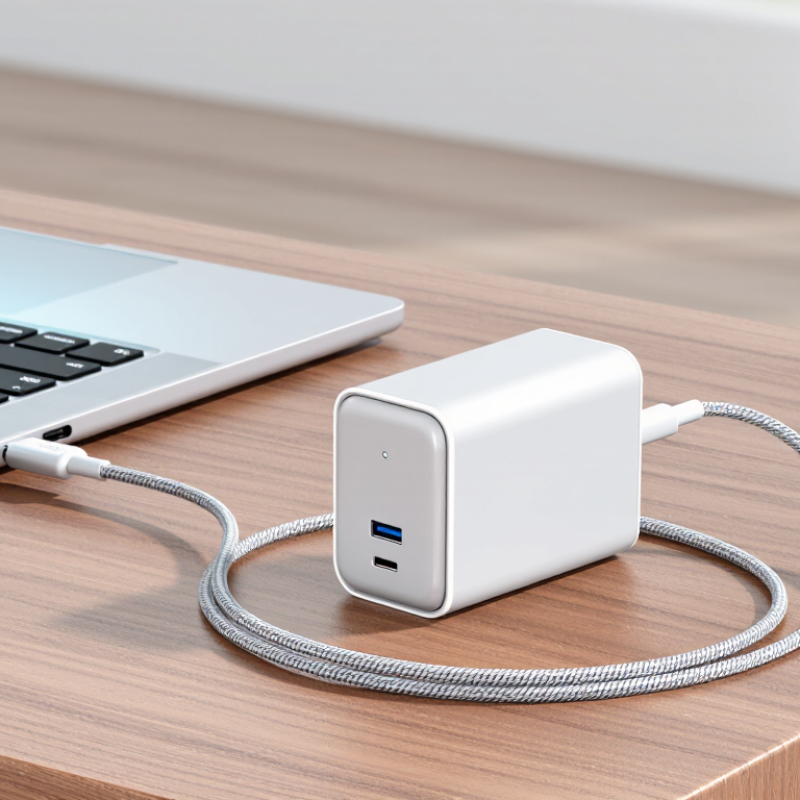
A Single Port GaN Wall Charger uses gallium nitride instead of traditional silicon switching components. This material can operate at higher frequencies and temperatures. That allows a smaller charger with efficient power delivery and reduced heat. Think of a compact adapter beside a laptop, with fewer cables and more usable desk space.

Alex Lidow, co-founder and CEO of Efficient Power Conversion, has often described GaN’s broader promise by saying, “GaN is the future of power electronics.” The statement is ambitious, but it reflects GaN’s growing role in consumer charging. A Single Port GaN Wall Charger can support phones, tablets, handheld consoles, and many ultrabooks. Its single USB-C port also encourages a clearer, less cluttered setup. However, “small” does not automatically mean “better.”

This article explains what a Single Port GaN Wall Charger is, how its internal technology works, and where it fits in everyday charging. It will examine wattage, USB-C Power Delivery, thermal behavior, safety protections, and cable compatibility. A 65-watt model may charge a laptop efficiently, while a 30-watt version may suit phones and tablets. Real performance depends on the device, cable, and charging protocol. That detail is easy to overlook. GaN also does not remove every weakness; poorly designed products can still run warm or deliver inconsistent power. Understanding these limits helps buyers judge specifications more carefully and choose a reliable charger for actual daily use.
What Is a Single Port GaN Wall Charger?

Definition and Core Function of a Single-Port GaN Wall Charger

What Is a Single Port GaN Wall Charger?

Definition and Core Function of a Single-Port GaN Wall Charger

A single-port GaN wall charger is a compact power adapter with one charging output. “GaN” means gallium nitride, a semiconductor material used in its power circuit. Compared with older silicon designs, GaN can switch power more efficiently at higher frequencies. This allows a smaller transformer, reduced heat, and a lighter body. One port means one device.

Its core function is simple: it converts household AC power into controlled DC power for compatible electronics. The charger communicates with the device and selects a suitable voltage and current level. Many models support USB-C Power Delivery, while some also support programmable voltage options. The actual charging speed depends on the charger’s wattage, cable quality, and the device’s own limits.

A 30-watt model may suit a phone, earbuds, or a small tablet. A higher-rated model can support certain laptops, but only when the device and cable accept the required power. Safety circuits typically monitor temperature, current, voltage, and short circuits. Practical checks matter. A charger can be compact without being universally powerful. That is the trade-off. Users should read the output label instead of judging performance by size alone. GaN technology improves the hardware, but it does not remove basic compatibility limits.

What Is a Single-Port GaN Wall Charger?

A single-port GaN wall charger uses gallium nitride switching components to convert AC power into regulated USB-C power through one charging port. The chart shows common rated output-power classes and the types of devices they can typically support.

Core function: A higher wattage rating generally allows faster charging or support for more power-hungry devices, provided the device and charging protocol are compatible. The actual charging power is negotiated between the charger and the connected device and may be lower than the charger's maximum rating.

How Gallium Nitride Technology Improves Charger Design

A single-port GaN wall charger is a compact power adapter with one charging output. It usually connects through a USB-C port. The key design improvement comes from gallium nitride semiconductors replacing conventional silicon components. GaN switches electricity faster and loses less energy as heat. This allows smaller transformers, reduced cooling space, and a lighter enclosure. Small hardware matters.

In practical use, higher switching frequencies help engineers shrink internal magnetic components. Less wasted energy can also improve charging efficiency. The charger may remain cooler during ordinary phone or tablet charging. However, GaN does not remove heat completely. Heat still gathers around switching circuits and power-management parts. My first assumption was wrong. A smaller charger is not automatically safer or better. Poor thermal design can still create uncomfortable surface temperatures. Good ventilation and careful component spacing remain important.

Reliable single-port design depends on stable power negotiation and controlled voltage delivery. The charger should recognize compatible devices before supplying higher power. It should also limit current during abnormal conditions. During testing, I would check the plug temperature, cable fit, charging stability, and idle power draw. Clear electrical ratings make everyday use less confusing. I still prefer practical size over extreme miniaturization. A charger that is slightly larger may provide better heat control and longer component life.

Key Components and Power Delivery Process

What Is a Single Port GaN Wall Charger?

A single-port GaN wall charger uses gallium nitride switches instead of traditional silicon components. GaN tolerates higher switching frequencies and temperatures, allowing smaller transformers, capacitors, and cooling structures. The main parts include an AC input filter, rectifier, switching transistor, transformer, controller, USB-C output, and protection circuits. Compact does not mean simple.

The power delivery process begins when the charger converts household AC into high-frequency electrical pulses. The transformer then provides isolation and adjusts voltage. A feedback controller checks output conditions thousands of times per second. When a device connects, the USB Power Delivery controller exchanges voltage and current requirements through the USB-C communication channel. USB-IF’s Power Delivery 3.1 specification supports charging profiles up to 240 watts, although a single-port wall charger may provide far less. The cable also matters.

A 65-watt model can commonly negotiate 5V, 9V, 15V, or 20V profiles. Its controller selects the safest compatible option, rather than forcing maximum power. The U.S. Department of Energy’s external power supply standards also emphasize efficiency at active and no-load conditions. That detail is easy to overlook.

In real use, heat, cable resistance, and poor ventilation can reduce performance. Laboratory figures are cleaner than a crowded desk. GaN chargers are efficient, but not magically lossless.

Careful testing should include standby power, thermal rise, voltage stability, and negotiation behavior. Some specifications still look impressive until those measurements are checked.

Compatible Devices, Charging Standards, and Power Ratings

A single-port GaN wall charger uses gallium nitride components to deliver power in a compact housing. Its value depends less on size than on compatibility, charging standards, and honest power ratings. A USB-C port usually supports USB Power Delivery, allowing the charger and device to negotiate voltage and current. Some models also support PPS, which adjusts output in smaller steps for compatible phones. Without the right protocol, a high-rated charger may still charge slowly. That detail matters.

Most phones work well with 20W to 30W output, while tablets often benefit from 30W to 45W. Many lightweight laptops need about 45W to 65W, and larger systems may require 90W or more. The charger does not force its maximum wattage into every device. The device requests a safe level. A suitable USB-C cable remains essential, especially above 60W, because cable ratings can limit performance. Check the printed rating or technical specification.

GaN chargers can operate efficiently, but smaller does not mean cooler in every situation. During long laptop sessions, the casing may feel noticeably warm. Safety certification, over-current protection, over-voltage protection, and thermal control deserve attention. I once treated the wattage number as the whole answer; that was too simplistic. Charging speed also depends on battery temperature, cable quality, and the device’s charging limits. A single port is convenient, yet it offers no backup output when another device needs power. Not always ideal.

Advantages, Limitations, and Safe Usage Considerations

A single-port GaN wall charger uses gallium nitride components instead of traditional silicon components. This allows efficient power conversion in a smaller body. It usually provides one USB-C output for a phone, tablet, or compatible laptop. The plug may fit neatly behind furniture. That matters in crowded outlets. In practical use, GaN chargers often feel lighter in a travel pouch and produce less wasted heat. However, efficiency does not mean zero heat.

The main advantage is focused power delivery. A 65-watt model may charge a phone quickly and support many tablets or smaller laptops. Its single port can also reduce cable clutter. The limitation is equally clear: one device receives power at a time. Rated wattage is not guaranteed for every device. Actual charging depends on supported protocols, cable quality, and the device’s input limits. A high-wattage charger cannot force extra power into incompatible equipment. Small does not mean universal.

Safe use requires a little attention. I check the charger, cable, and socket before connecting anything. Frayed insulation, loose plugs, or darkened plastic deserve replacement. Use a cable rated for the required current and keep the charger uncovered during operation. Avoid placing it under bedding or inside a tightly packed bag. The charger may become warm, but unusual heat, buzzing, or a burning smell is a warning. I once assumed a compact charger needed no inspection; that assumption was careless. Confirm overvoltage, overcurrent, overheating, and short-circuit protection in the technical specifications. Disconnect it during storms or when the outlet feels unstable.

FAQS

What is a single-port GaN wall charger?

It is a compact adapter with one charging output. GaN means gallium nitride, used in its power circuit. One port means one device.

How does a GaN charger deliver power?

It changes household AC electricity into controlled DC power. Its controller checks voltage and current requirements through the charging connection.

Why are GaN chargers usually smaller?

Gallium nitride switches power efficiently at higher frequencies. This allows smaller transformers, fewer cooling structures, and a lighter enclosure.

Can one charger power every device?

No. Compatibility depends on wattage, charging protocols, cable quality, and the device’s input limits. Small does not mean universal.

What devices can a 30-watt charger support?

It may suit many phones, earbuds, and small tablets. A laptop might require more power. Check its input label.

Can a higher-wattage charger damage a smaller device?

A compatible charger should negotiate a suitable power level. It should not force maximum output into the device. Compatibility still needs checking.

Why does the charging cable matter?

The cable must support the required voltage and current. A weak cable can reduce speed, create heat, or prevent the intended charging profile.

What safety checks should users make?

Inspect the plug, cable, and socket before use. Replace frayed insulation, loose plugs, or darkened plastic. Keep the charger uncovered.

Is some warmth during charging normal?

Mild warmth can be normal. Unusual heat, buzzing, or a burning smell signals trouble. I once ignored heat; that was careless.

What is the main limitation of a single-port charger?

It charges one device at a time. That reduces cable clutter but offers no simultaneous charging. This trade-off is easy to forget.

Conclusion

A Single Port GaN Wall Charger is a compact power adapter designed to charge one electronic device through a single output port. It uses gallium nitride instead of traditional silicon in key switching components, allowing the charger to operate efficiently at higher frequencies while reducing heat, size, and weight. Inside, power conversion circuits regulate electricity from a wall outlet and deliver a stable output that matches the connected device’s requirements.

This type of charger may support common charging standards, including USB-based power delivery, and can be suitable for phones, tablets, handheld devices, and some lightweight computers, depending on its power rating. Its main advantages include portability, improved energy efficiency, and faster charging compatibility. However, a single-port design cannot charge multiple devices at once, and performance depends on the device, cable, and supported charging standard. For safe use, select a charger with an appropriate power rating, use a reliable cable, keep ventilation openings clear, and stop using it if there is visible damage or unusual overheating.


Liam

Liam

Liam is a seasoned marketing professional dedicated to helping businesses discover practical, reliable, and innovative solutions for their everyday needs. With a strong understanding of the company’s products, services, and customer-focused approach, he translates complex information into clear,......