Discover expert guides, technology trends, and market analysis on smart wearables, audio devices, and GaN fast chargers.
In-depth reviews, features breakdown, and buying considerations for fitness and touchscreen smartwatches.
Explore the latest advances in wireless Bluetooth 5.3 headphones, earphone technology, and personal audio.
Choosing the best Wireless Bluetooth Earphones in China requires more than comparing battery claims. The market is crowded, fast-moving, and surprisingly uneven. Counterpoint Research’s TWS Hearables Market Tracker and Canalys’ China audio-device analyses show strong competition across premium, mid-range, and affordable segments. Their reports also highlight changing consumer priorities, including noise cancellation, comfort, voice calls, and ecosystem compatibility.
Numbers matter. However, they do not tell the whole story. Liz Lee, an associate director at Counterpoint Research, said, “The TWS market has become increasingly competitive, with brands focusing on product innovation and differentiation.” That observation remains useful when comparing Apple, Huawei, Xiaomi, OPPO, vivo, and emerging Chinese brands. Each company makes different compromises. Some models deliver clean vocals on a busy metro platform. Others offer impressive specifications but produce ear fatigue after an hour.
Real use exposes the gaps.
This guide examines sound quality, microphone performance, latency, battery endurance, software support, repairability, and value. It also considers China-specific details, such as local warranty coverage, regional app features, and compatibility with Android and iOS devices. Testing should include subway noise, outdoor wind, video calls, and several ear-tip sizes. A quiet showroom is not enough. Some conclusions may remain debatable, because ears, phones, and listening habits differ. Still, transparent criteria can make the choice more reliable. The best pair is not always the most expensive. It is the one that performs consistently in your daily routine.
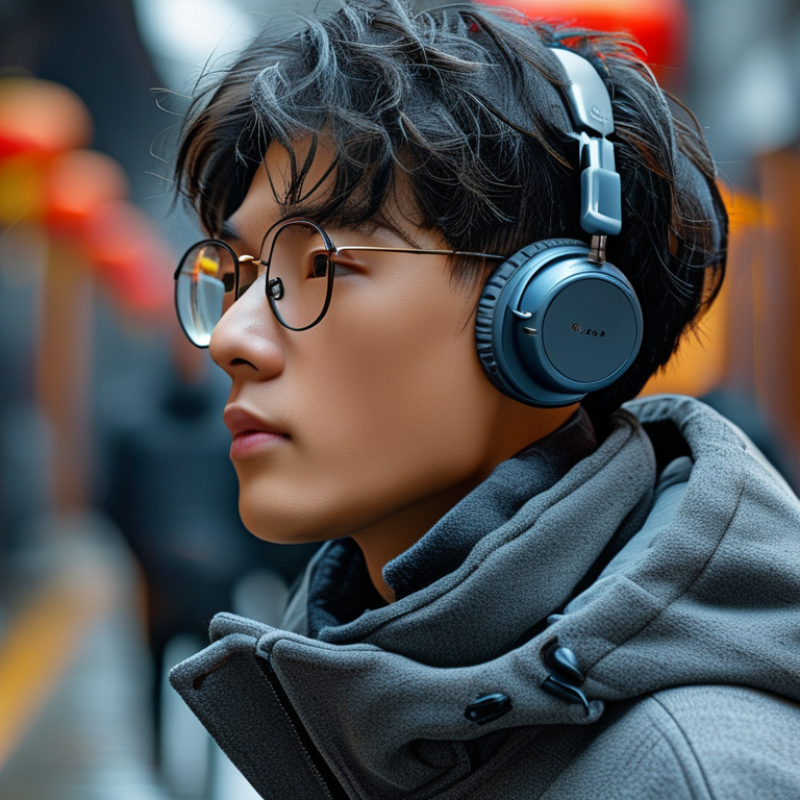
Wireless Bluetooth earphones suit China when they handle crowded, mobile daily life. On a morning metro, steady noise cancellation matters more than impressive laboratory numbers. Clear microphones also help during street calls, where traffic and voices overlap. In my experience, stable pairing is essential near stations, offices, and shopping centers. Bluetooth SIG’s 2024 Market Update expects annual Bluetooth device shipments to rise from 5.4 billion in 2023 to about 7 billion by 2028. This growth supports broad compatibility, but it does not guarantee a good listening experience. Phone settings, apartment interference, and software quality still matter.
Comfort should match local routines. Lightweight earbuds are useful during long commutes, while an IPX4 or higher rating helps with sweat and sudden rain. Battery life should reach at least six hours per charge, with a case for daily backup. Low-latency modes benefit mobile gaming and video viewing. Support for Mandarin voice pickup is valuable, yet microphone tests in quiet rooms can be misleading. Counterpoint Research reported that global TWS shipments grew in 2024, showing strong demand, but popularity alone cannot prove reliability. No model is perfect.
Tips: Check fit with glasses and masks. Test calls outdoors. Confirm local warranty service, charging compatibility, and app access before buying. Do not trust noise-cancellation claims without real street testing. A cheaper model may sound acceptable, but weak hinges or unstable touch controls can become frustrating within months.
Choosing wireless Bluetooth earphones in China starts with fit, not flashy specifications.
I test them on a crowded train, where loose earbuds quickly become annoying. Ear-tip sizes, wing support, and balanced weight matter during a forty-minute commute. A secure seal also improves bass and passive noise reduction. Tiny details matter. Compare Bluetooth version, codec support, and connection stability, but do not assume newer always means better. Your phone and laptop must support the same codec for any audible benefit. Multipoint pairing helps when switching between calls and music, although it can occasionally reconnect slowly.
Noise control deserves a practical test. Active noise cancellation can soften subway rumble, yet strong settings may create pressure or reduce battery life. Transparency mode should keep voices natural, especially near traffic. Check microphone performance in wind, not only in a quiet room. I once trusted a clear indoor call and regretted it outside. Battery figures also need context. Ask whether quoted hours include the charging case, ANC, or high volume. USB-C charging is convenient, while wireless charging is optional rather than essential. Look for low-latency mode when gaming or watching videos; it may consume more power.
Durability is easy to overlook. An IP rating helps with sweat and light rain, but it does not promise waterproofing. Case hinge strength, charging contacts, and replacement-tip availability affect long-term value. Read independent measurements and user reports, then compare return terms and software support. Firmware updates can improve stability, but they may also change sound or controls unexpectedly. That deserves attention. Comfort remains personal, so a short fitting session is more reliable than a specification sheet.
China’s market offers several practical earphone designs. True wireless stereo (TWS) models sit inside a charging case and suit commuting, office work, and short trips. Counterpoint Research reported about 6% year-on-year growth in global TWS shipments during Q1 2024. That growth reflects convenience, not guaranteed quality.
Sealed in-ear earphones use silicone tips to improve bass and passive noise isolation. They work well on buses, but pressure may feel uncomfortable after an hour. Half-in-ear models feel lighter and allow more surrounding sound. Open-ear and ear-hook designs rest outside the ear canal. They are useful for cycling or street awareness, although bass can sound thinner. Neckband earphones remain practical for users who dislike carrying small cases. I still hesitate to call one type “best.” Fit changes everything.
Tips: Test three ear-tip sizes before judging sound. Check Bluetooth multipoint if you switch between a phone and laptop. For crowded stations, compare adaptive noise cancellation, microphone quality, and battery claims under realistic conditions. The Bluetooth SIG notes that newer Bluetooth LE Audio can support lower power use and broadcast audio, but device compatibility remains uneven. Also inspect codec support, water-resistance ratings, and repair information. A two-hour listening test may reveal more than a polished specification sheet.
Choosing the best wireless Bluetooth earphones in China requires more than reading a specification sheet. I usually test sound with familiar tracks, spoken podcasts, and quiet acoustic recordings. Clear vocals should remain natural, while bass should feel controlled rather than swollen. Listen at moderate volume. Excessive brightness may become tiring after twenty minutes. A short listening session can mislead you.
Comfort depends on ear shape, not just weight. Try different ear tips and walk for ten minutes before judging the fit. The earphones should stay secure without creating pressure near the canal. Sweat resistance helps during commuting or light exercise, but it does not guarantee protection from heavy rain. Small details matter. Touch controls can also trigger accidentally under a hat or pillow.
Battery claims need careful checking. Manufacturers often measure playback at low volume, without frequent calls or noise cancellation. Real use may deliver less. Test the case through several daily charges and check whether both earbuds drain evenly. For connectivity, pair them with your usual phone and laptop. Walk between rooms, open a video, and make a call in a busy street. Bluetooth version numbers sound impressive, yet antenna design and software stability often matter more. I have trusted impressive specifications before and still experienced brief dropouts. That remains a useful reminder to judge performance, not promises.
Choosing the best wireless Bluetooth earphones in China depends on daily habits, not only specifications. Counterpoint Research reported a 12% year-on-year increase in global true wireless stereo shipments during Q1 2024. This growth reflects wider use, but product needs remain different.
Commuters should prioritize effective noise cancellation, comfortable silicone tips, and stable Bluetooth connections in crowded stations. Office users need clear microphones and natural transparency mode for quick conversations. For gaming, low-latency performance matters more than extreme bass. Check whether the earphones support your phone’s preferred codec. Compatibility can influence delay and sound quality.
Battery claims require careful reading. Testing conditions often differ from real use, especially with noise cancellation enabled. A practical model should provide several hours per charge and a case that survives a full workday. An IPX4 rating can handle light sweat, but it does not guarantee protection from heavy rain. I have found that fit changes bass noticeably. Small ears may need lighter housings, even when larger models sound stronger.
Tips: Try the earphones for twenty minutes before buying. Listen to speech, not only music. Compare microphone quality in a noisy street. Check replacement tips and warranty support. Do not trust one review; personal comfort is difficult to measure.
| User Profile | Recommended Earphone Type | Key Specifications to Look For | Typical Battery Life | Useful Features | Typical Price Range in China | Main Trade-Off |
|---|---|---|---|---|---|---|
| Daily Commuter | In-ear true wireless earphones with active noise cancellation | Bluetooth 5.2 or later; stable multipoint connection; ANC; transparency mode | About 6–8 hours per charge; 24–32 hours with the charging case | Wind-noise reduction, touch controls, USB-C charging, voice-call microphones | Approximately ¥250–¥800 | ANC can reduce battery life and increase weight |
| Office and Remote-Work User | Comfort-focused in-ear or semi-in-ear wireless earphones | Clear microphone pickup; Bluetooth multipoint; low background noise during calls | About 5–8 hours per charge; 20–30 hours with the case | Call-noise cancellation, mute control, automatic wear detection, reliable connection | Approximately ¥200–¥700 | Some compact designs provide less bass isolation |
| Fitness and Outdoor User | Secure-fitting sports in-ear earphones | IPX4 or higher water resistance; stable fit; Bluetooth 5.2 or later | About 6–10 hours per charge; 24–40 hours with the case | Ear hooks or stabilizing fins, physical controls, sweat resistance, ambient sound mode | Approximately ¥150–¥600 | A tighter fit may be less comfortable for long listening sessions |
| Music Enthusiast | Higher-quality in-ear wireless earphones with advanced codec support | Wide frequency response; well-tuned drivers; AAC, aptX or LDAC support where compatible | About 5–9 hours per charge; 20–36 hours with the case | Custom equalizer, multiple sound profiles, wired-like low distortion, high-quality microphones | Approximately ¥400–¥1,500 | Higher-resolution codecs may reduce battery life and require device support |
| Mobile Gamer | Low-latency gaming wireless earphones | Gaming latency of approximately 60–100 ms; stable 2.4 GHz or optimized Bluetooth mode | About 4–8 hours per charge; 16–30 hours with the case | Game mode, low-latency audio, directional microphones, customizable controls | Approximately ¥200–¥800 | Low-latency modes may use more power and can limit multipoint functions |
| Budget Buyer | Basic true wireless earphones with passive isolation | Bluetooth 5.0 or later; dependable pairing; USB-C charging; comfortable ear tips | About 4–7 hours per charge; 16–28 hours with the case | Simple controls, mono-earbud use, battery indicator, basic call support | Approximately ¥60–¥250 | Usually lacks advanced ANC, premium codecs and refined call quality |
| Frequent Traveler | Travel-oriented ANC true wireless earphones | Effective low-frequency noise reduction; transparency mode; comfortable long-wear design | About 6–10 hours per charge; 24–40 hours with the case | Compact case, fast charging, multipoint pairing, airplane and train noise control | Approximately ¥350–¥1,200 | Strong ANC performance can add cost and physical pressure |
| Safety-Conscious Listener | Open-ear or semi-open wireless earphones | Clear ambient sound; lightweight construction; stable positioning without blocking the ear canal | About 6–12 hours per charge; 18–36 hours with the case | Environmental awareness, light controls, sweat resistance, comfortable ear support | Approximately ¥250–¥1,000 | Less isolation and weaker bass in noisy environments |
Selection note: Battery figures and prices are typical market ranges in China and vary by volume level, codec, ANC usage, sales period and device compatibility. Water-resistance ratings help protect against sweat or light rain but do not guarantee protection during swimming or immersion.
: Check fit, sound, battery life, microphone quality, connection stability, and return terms. Fit matters most.
Try different ear tips and walk for ten or twenty minutes. The earbuds should stay secure without painful pressure. A specification sheet cannot measure every ear shape.
Test familiar music, spoken podcasts, and quiet acoustic recordings. Vocals should sound natural. Bass should feel controlled, not swollen. Bright sound may become tiring after twenty minutes.
It can soften subway rumble and crowded-station noise. However, strong settings may create pressure or reduce battery life. Transparency mode should keep nearby voices natural. I sometimes value comfort more than maximum silence.
Quoted hours may exclude noise cancellation, calls, or high volume. Real playback is often shorter. Test both earbuds during several daily charges. The charging case should support a full workday.
Pair the earphones with your usual phone and laptop. Walk between rooms and open a video. Connection stability may matter more than the Bluetooth version number. Multipoint pairing helps, but switching can occasionally reconnect slowly.
Commuters need secure tips, noise control, and stable connections. Office users need clear microphones and natural transparency. Gamers should check low-latency performance. Extreme bass is not always useful.
No. An IP rating can indicate protection from sweat or light rain. It does not promise safety during heavy rain. Also inspect the case hinge, charging contacts, and replacement-tip availability.
Test calls indoors and near a busy street. Wind can reveal weaknesses that quiet rooms hide. I once trusted a clear indoor call and regretted it outside. One test is not enough.
Choosing the best Wireless Bluetooth Earphones in China requires more than simply comparing prices. A suitable pair should provide stable Bluetooth connectivity, clear sound, comfortable wearing options, and reliable battery life for commuting, studying, exercising, or making calls. Since users may have different preferences, it is helpful to compare in-ear, semi-in-ear, and open-style designs, as well as features such as noise reduction, microphone quality, water resistance, charging convenience, and device compatibility.
Sound quality should be evaluated through vocal clarity, balanced bass, and consistent performance at different volume levels. Comfort is equally important, especially for extended use, while battery capacity and charging speed determine daily convenience. Connectivity should remain stable in crowded environments and support quick pairing. Ultimately, the right earphones depend on individual needs: compact models suit travelers, secure and water-resistant designs fit active users, and comfortable pairs with strong microphones are better for work and communication.