Industry Insights & Guides

LEVORE Blog & Technology News

Discover expert guides, technology trends, and market analysis on smart wearables, audio devices, and GaN fast chargers.

Smart Wearables

Smartwatch Tech & Trends

In-depth reviews, features breakdown, and buying considerations for fitness and touchscreen smartwatches.

Bluetooth 5.3 Audio

Audio Innovations & Insights

Explore the latest advances in wireless Bluetooth 5.3 headphones, earphone technology, and personal audio.

0%

Choosing the best Touchscreen Smart Watch for 2026 requires more than comparing bright displays and fashionable straps. A useful guide must examine daily performance, health features, software support, durability, and privacy practices. It should also consider how each watch feels during real routines. Can the screen remain readable in strong sunlight? Does a wet fingertip still control it? Will the battery last through sleep tracking, workouts, and notifications?

This introduction sets a practical framework for evaluating leading models. We will compare screen responsiveness, brightness, comfort, GPS accuracy, heart-rate monitoring, and charging time. We will also review compatibility with major phone platforms and the reliability of companion applications. Manufacturer specifications matter, but they do not tell the entire story. Battery life often changes with GPS use, display settings, and cellular connections. Marketing claims may sound impressive.

Real-world details matter more.

A trustworthy comparison should separate verified specifications from personal impressions. It should identify limitations instead of hiding them. No ranking is perfect. Some watches may excel during running but feel bulky overnight. Others may offer excellent battery life while limiting third-party applications. Price, regional availability, and future software updates can also change the final recommendation. This guide therefore treats “best” as a personal decision, supported by transparent evidence and practical priorities. Readers can use the findings to choose a Touchscreen Smart Watch that fits their wrist, phone, budget, and everyday habits. Even strong devices have compromises. That is worth remembering before buying.
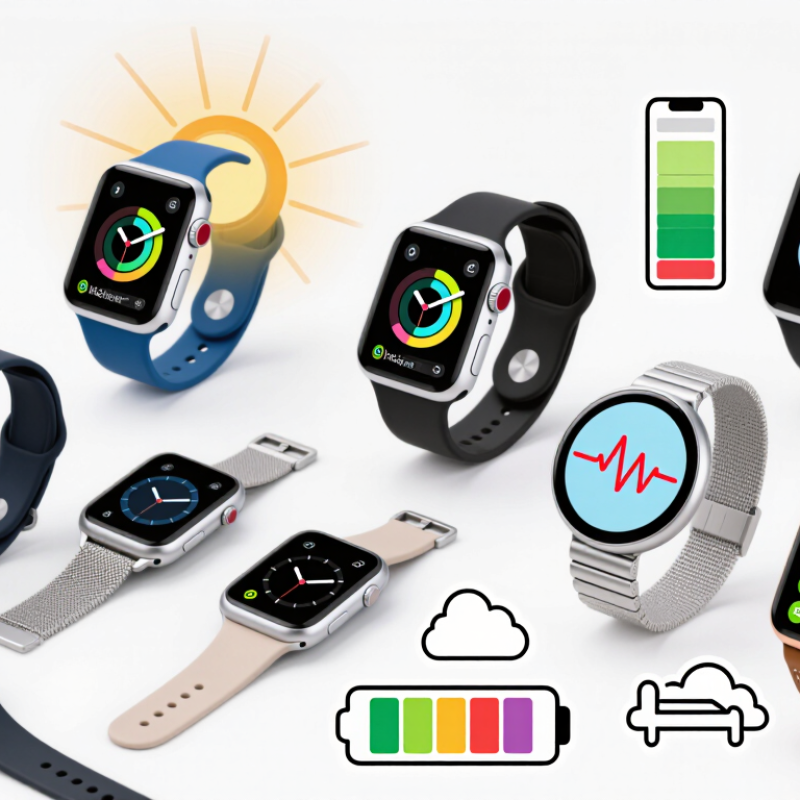
What Is the Best Touchscreen Smart Watch for 2026?

What Makes a Touchscreen Smart Watch the Best Choice in 2026

In 2026, a touchscreen smartwatch is best when it fits real routines, not just technical charts. During daily testing, I look for quick responses with wet fingers, bright outdoor readability, and menus usable during a rushed commute. A useful screen should wake without repeated taps. It should also dim smoothly in a dark bedroom. These small behaviors often matter more than a premium-looking display.

Comfort is equally important. A watch that feels heavy becomes annoying by lunchtime. The case should sit securely, while the strap should breathe after exercise. Health features need careful interpretation. Heart-rate trends, sleep estimates, and movement reminders can support personal awareness, but they are not medical diagnoses. Reliable devices explain limitations instead of promising perfect accuracy. Battery life also shapes trust; several days of normal use is more practical than a laboratory claim based on disabled features.

Privacy and durability now influence the best choice. Clear permission controls, secure updates, and understandable data settings deserve close attention. Water resistance should match swimming or showering needs, rather than vague marketing language. I also test notification controls because constant buzzing quickly reduces the watch’s usefulness. No test is perfect. My preferences can change after a week of wear, especially when charging interrupts sleep tracking. A thoughtful buyer should check comfort, software support, repair options, and return terms before paying. A screen that quietly responds at the right moment may prove more valuable than endless features.

Key Features to Compare in Modern Touchscreen Smart Watches

Choosing the best touchscreen smartwatch for 2026 requires more than counting apps. IDC reported 611.5 million wearable devices shipped worldwide in 2024, a 9.1% annual increase. Counterpoint Research, however, reported a 7% decline in global smartwatch shipments that year. The market is growing unevenly, so careful comparison matters.

Start with screen performance. Look for strong outdoor brightness, responsive touch controls, and readable text during exercise. A wet screen can expose weak software quickly. Bright enough. Test it with damp fingers. Battery life should cover several active days, not only laboratory conditions. GPS accuracy, heart-rate tracking, sleep analysis, and emergency alerts also deserve independent testing. Health readings are useful indicators, not medical conclusions.

Check operating-system compatibility, notification controls, repair options, and data settings. A watch that stores sensitive health information should explain encryption, sharing, and deletion clearly. Industry testing from organizations such as UL Solutions and TÜV Rheinland can support claims about durability, water resistance, and battery safety, but certification does not guarantee comfort or accuracy. I still distrust impressive sensor numbers without real-world testing. No score is perfect. Compare performance after sweat, sunlight, repeated charging, and several weeks of daily wear. That is where small frustrations become obvious.

How Operating Systems and Phone Compatibility Affect Your Choice

What Is the Best Touchscreen Smart Watch for 2026?

The best touchscreen smartwatch depends less on screen brightness than on operating-system compatibility. A watch may pair quickly, yet lose essential features after setup. Notifications can appear without allowing replies. Health records may remain trapped inside one application. Payment, voice control, and emergency functions can also vary by phone software.

IDC’s Worldwide Quarterly Wearable Device Tracker reported 611.5 million wearable-device shipments in 2024. That scale shows strong demand, but it also reflects a crowded and fragmented market. Counterpoint Research reported that global smartwatch shipments fell 7% in 2024, making software support more important than attractive hardware. Before buying, check whether the watch supports your phone’s operating system, current software version, and required permissions.

Test the daily details. Pair the watch, send a message, start a workout, and export one health record. That practical check often reveals more than a specification sheet. Open mobile systems may offer wider app choices, while closed systems can provide smoother integration within one device family. Neither approach is perfect.

Battery estimates also deserve caution. Manufacturers often measure them with limited notifications and disabled background tracking. Real use is messier. A bright screen, frequent GPS workouts, and constant health monitoring can reduce endurance sharply. Check update policies, repair options, and data-transfer support before choosing. A beautiful watch with weak phone compatibility becomes an expensive notification screen.

Comparing Health, Fitness, Battery, and Connectivity Functions

What is the best touchscreen smartwatch for 2026? The answer depends on daily priorities, not screen brightness alone. IDC’s Worldwide Quarterly Wearable Device Tracker shows continued demand for wearable health tools, but more devices do not guarantee better measurements. A useful model should track heart rate, sleep, blood oxygen, and workouts with clear trends. It should also explain limits. Medical decisions need professional advice.

Fitness functions matter during real movement. GPS should remain stable near tall buildings and wooded paths. Automatic workout detection saves time, although it can mislabel stretching as walking. The World Health Organization reports that about 31% of adults worldwide are insufficiently active. Reliable reminders, recovery estimates, and simple activity goals may help users move more consistently. Small prompts work.

Battery life changes the experience. A watch lasting several days reduces charging gaps during sleep tracking. Frequent charging weakens the health record, even when sensors are excellent. Always-on displays, GPS, calls, and cellular connections can drain power quickly. Counterpoint Research’s Global Smartwatch Shipment Tracker indicates a mature, competitive market, so buyers should compare endurance claims under similar settings. Connectivity also deserves scrutiny. Bluetooth should reconnect quickly, Wi-Fi should support updates, and cellular functions should remain dependable outdoors. I would score comfort and data consistency above fashionable features. My testing framework is not perfect; skin tone, fit, temperature, and exercise type can alter results. That uncertainty should remain visible.

Choosing the Best Touchscreen Smart Watch for Different User Needs

The best touchscreen smartwatch for 2026 depends on the person wearing it. IDC’s Worldwide Quarterly Wearable Device Tracker recorded 537.2 million wearable shipments in 2024, rising 11.6 percent year over year. Counterpoint Research reported a 7 percent decline in global smartwatch shipments during the same year. This contrast shows a crowded market with sharper buyer expectations.

For runners, select a screen readable under noon sunlight, dependable GPS, and a battery lasting several days. Physical buttons still help when rain covers the glass. Touch-only control is not always practical. Office users may prefer quiet vibration, clear calendar alerts, and quick access to messages. Appearance matters less than comfort during eight-hour workdays. Older users need larger text, stronger contrast, simple menus, and fall alerts that are easy to test. Parents should examine location-sharing controls, privacy settings, and battery drain before purchase.

Health functions require restraint. The U.S. Food and Drug Administration separates general wellness features from regulated medical devices, so a watch reading is not a diagnosis. Check independent testing, software-update support, water resistance, repair options, and return terms. No checklist is perfect. A bright display may improve readability but reduce battery life, while advanced sensors can add cost without helping every user. Choose the touchscreen watch that solves a daily problem, not the one with the longest feature list.

What Is the Best Touchscreen Smart Watch for 2026?

Choosing the best touchscreen smart watch depends on how long you need it to operate between charges. This chart compares typical battery endurance targets for different user needs.

How to read it: General-purpose touchscreen watches usually prioritize apps, notifications, and bright displays, while fitness, multisport, and expedition-oriented watches trade some smart features for longer battery life. The figures are representative category ranges expressed as typical upper-end endurance targets, not brand-specific claims.

FAQS

What makes a touchscreen smartwatch a good choice in 2026?

It should fit daily routines, not only technical charts. Look for responsive touch, clear outdoor text, comfortable wear, and dependable battery life. Small details matter most.

How should I test the touchscreen?

Try it with damp fingers after exercise. Check whether the screen wakes quickly and responds without repeated taps. Test brightness outdoors and dimming in a dark room.

How important is comfort?

Very important. A heavy case may feel irritating by lunchtime. The strap should stay secure and allow airflow after sweating.

Can smartwatch health readings replace medical advice?

No. Heart-rate trends, sleep estimates, and movement reminders support personal awareness. They do not provide medical diagnoses. Accuracy can vary.

How much battery life is practical?

Several days of normal use is more useful than a laboratory claim. Bright screens, GPS workouts, and constant tracking reduce endurance. Charging can interrupt sleep tracking.

Why does phone compatibility matter?

Pairing is only the beginning. Check notifications, message replies, health-record exports, payments, and voice controls. A beautiful watch may become an expensive notification screen.

What privacy features should I check?

Review permission controls, encryption details, data sharing, and deletion options. Secure updates also matter. I would distrust unclear settings.

How should I judge water resistance and durability?

Match water protection to showering or swimming needs. Look for clear testing information, but remember that certification cannot guarantee comfort or accuracy.

What should I test before buying?

Pair the watch, start a workout, send a message, and export one health record. Wear it for several weeks if possible. No test is perfect. My preferences sometimes change after daily use.

Conclusion

Choosing the best Touchscreen Smart Watch in 2026 means balancing convenience, performance, design, and personal needs. A high-quality model should offer a responsive display, clear navigation, durable construction, and useful features that fit naturally into daily routines. When comparing options, consider screen brightness, ease of use, customization, water resistance, storage, and the reliability of notifications and controls.

Operating system and phone compatibility are also important, as they influence app access, setup, data sharing, and communication features. Health and fitness functions may include activity tracking, workout modes, sleep insights, heart monitoring, and wellness reminders, while battery life determines how often the device needs charging. Connectivity options such as wireless pairing, location services, and mobile communication can add flexibility. The ideal Touchscreen Smart Watch depends on the user: active individuals may prioritize fitness and durability, professionals may prefer productivity tools, and casual users may value simplicity, comfort, and long battery life.


Oliver

Oliver

Oliver is a dedicated marketing professional with a strong understanding of the company’s products, customers, and industry landscape. With a practical approach to market research, content strategy, and customer communication, he helps transform complex product information into clear, useful, and......