Choosing a Sport Fitness Smartwatch can feel like comparing identical black screens. The differences appear during real training: a sweaty 6 a.m. run, a crowded gym, or a long cycling route without a phone. A useful watch should turn movement into understandable feedback, not bury you under impressive numbers.
Wearable-data researcher Dr. Michael Snyder has emphasized, “Wearables are powerful because they can measure continuously.” That idea matters here. Continuous heart-rate tracking may reveal rising effort during a familiar hill. GPS can show whether your route matches your planned distance. Recovery estimates may encourage a lighter session after poor sleep. Still, these features are not medical verdicts. They are signals that need context.
This guide, “7 Tips to Choose the Best Sport Fitness Smartwatch,” examines the details buyers often overlook. We will consider sensor accuracy, training modes, GPS performance, battery life, comfort, water resistance, and app quality. A watch that lasts ten days may still disappoint if its buttons fail with wet hands. A beautiful interface cannot rescue unreliable distance data. Small details matter.
No device is perfect. Even expensive models can misread heart rate during intervals or estimate calories poorly. That is worth admitting. Your own habits also matter more than a long specification sheet. If charging feels annoying, you may stop wearing the watch. If the data creates anxiety, the “smart” choice may be a simpler model. The best Sport Fitness Smartwatch is practical, dependable, and suitable for your actual training—not merely impressive in advertising.
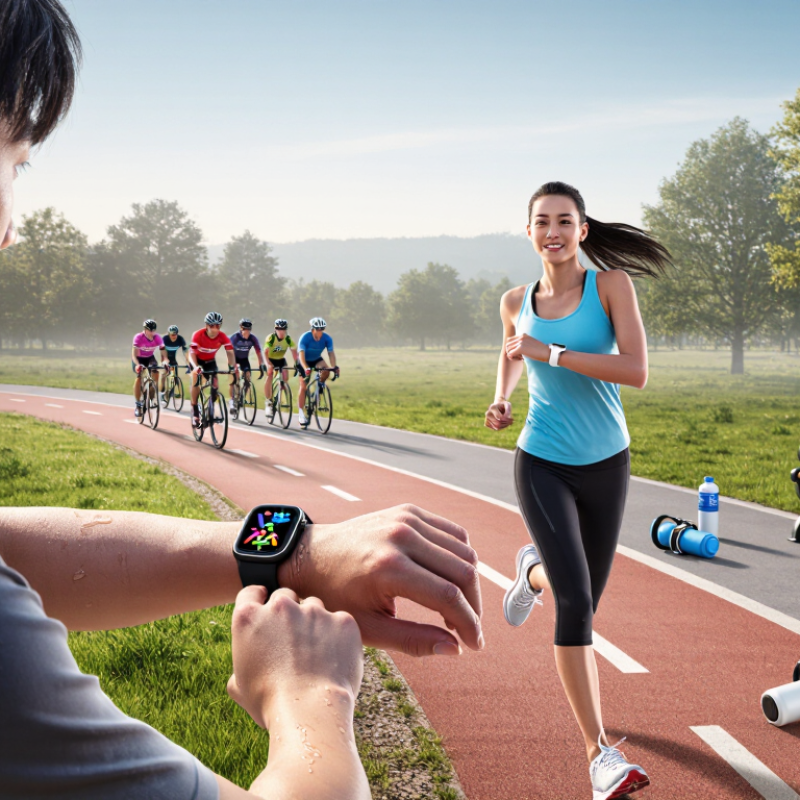
Tip 1: Define your fitness goal before comparing smartwatch features. A runner may need accurate GPS, pace alerts, and interval training. A beginner might value step tracking, simple heart-rate readings, and encouraging reminders. More features do not automatically mean better training.
I learned this after choosing a watch with advanced metrics I rarely checked. The data looked impressive, but it did not improve my workouts. That was a useful mistake. Ask yourself what you will measure each week. Weight loss, endurance, recovery, and strength require different information. Choose practical tools, not impressive specifications.
Tip 2: Match required features with your routine. Select reliable heart-rate tracking for steady exercise and recovery checks. Look for water resistance if you swim or train outdoors. Battery life matters during long hikes or multi-day activity tracking. A clear screen also helps when sunlight makes small numbers difficult to read.
Tip 3: Treat health data as guidance, not a diagnosis. Smartwatch sensors can support personal tracking, but they are not medical equipment. Compare readings with how you feel, your training history, and professional advice when needed. Check whether the device explains its measurements clearly. Poorly understood data can create unnecessary worry. Keep your expectations realistic.
| Tip | Fitness Goal | Required Smartwatch Features | Useful Data and Training Support | Recommended Battery Expectation | Selection Priority |
|---|---|---|---|---|---|
| 1 | Daily activity and general health |
|
Daily steps, active minutes, resting heart rate, sleep duration, sleep consistency, and sedentary reminders. | At least 3–5 days for convenient everyday use. | Health basics |
| 2 | Running and outdoor training |
|
Distance, pace, speed, elevation, cadence, heart-rate zones, splits, route maps, and recovery information. | Prefer 7 days or more in smartwatch mode, with several hours of GPS use. | GPS accuracy |
| 3 | Cycling and long-distance activities |
|
Ride distance, speed, elevation gain, route guidance, heart rate, cadence, and power data when compatible sensors are used. | Prefer 10 hours or more of continuous GPS tracking for longer sessions. | Navigation |
| 4 | Swimming and water-based exercise |
|
Laps, distance, pace, stroke type, stroke count, rest intervals, and swimming efficiency estimates. | A practical target is 3–7 days, depending on GPS and swim-tracking frequency. | Water readiness |
| 5 | Strength training and gym workouts |
|
Exercise duration, repetitions, sets, rest periods, heart rate, calories, and training load trends. | At least 4–7 days helps reduce charging interruptions between workouts. | Workout control |
| 6 | Weight management and calorie awareness |
|
Active calories, total energy estimates, steps, active minutes, body-weight trends, and weekly progress. | At least 5–7 days supports more consistent long-term tracking. | Consistency |
| 7 | Recovery, stress management, and sleep |
|
Sleep duration, sleep regularity, resting heart rate, heart-rate variability trends, stress indicators, and recovery suggestions. | Prefer 5–10 days to avoid removing the device during sleep. | Long-term insight |
Look for heart-rate tracking, sleep analysis, stress readings, steps, and breathing tools. These features show patterns, not medical diagnoses. Clear explanations matter more than a crowded feature list.
Runners usually need stable GPS, accurate distance, pace alerts, and route records. Recovery information can help plan easier days. GPS may drift near tall buildings or under thick trees.
Check its water-resistance rating and swimming features. Stroke recognition and lap counting can be useful. Water resistance is not unlimited protection. Rinse the watch after saltwater sessions.
Battery life should match your real training schedule. GPS, bright screens, and continuous heart-rate tracking consume power quickly. Test it during a long workout. Advertised standby time can disappoint.
Wear the watch for several hours, including during sleep. A heavy case or stiff strap may irritate your skin. Sensors need steady contact, but excessive tightness feels unpleasant. Comfort is easy to underestimate.
Choose a secure strap and a screen that handles sweat, dust, and minor knocks. Avoid extreme heat unless the instructions permit it. A strong-looking case proves little. Check the details.
Read what health and location data the app collects and stores. Check whether sharing is optional. Look for deletion controls, encrypted connections, and regular updates. Route history can reveal daily routines.
Include subscriptions, replacement straps, charging accessories, and repair costs. Confirm phone compatibility and reliable data syncing. More metrics are not always better. I once chose advanced measurements I barely understood. A simpler watch may serve you better.
Choosing the right Sport Fitness Smartwatch starts with understanding your personal fitness goals, whether you want to improve daily activity, track workouts, monitor health trends, or support structured training. Consider the features that match your needs, including heart rate monitoring, sleep analysis, step counting, workout modes, and recovery insights. Compare the accuracy and usefulness of health, sports, and activity tracking functions rather than focusing only on the number of features.
You should also evaluate GPS reliability, sensor performance, training tools, battery life, durability, comfort, and compatibility with your phone and other devices. A good smartwatch should remain comfortable during long workouts and withstand regular use. Finally, review its software experience, data privacy policies, app support, and overall value. The best choice is not necessarily the most advanced model, but the one that provides dependable information, practical functions, and a smooth experience that supports your fitness routine.